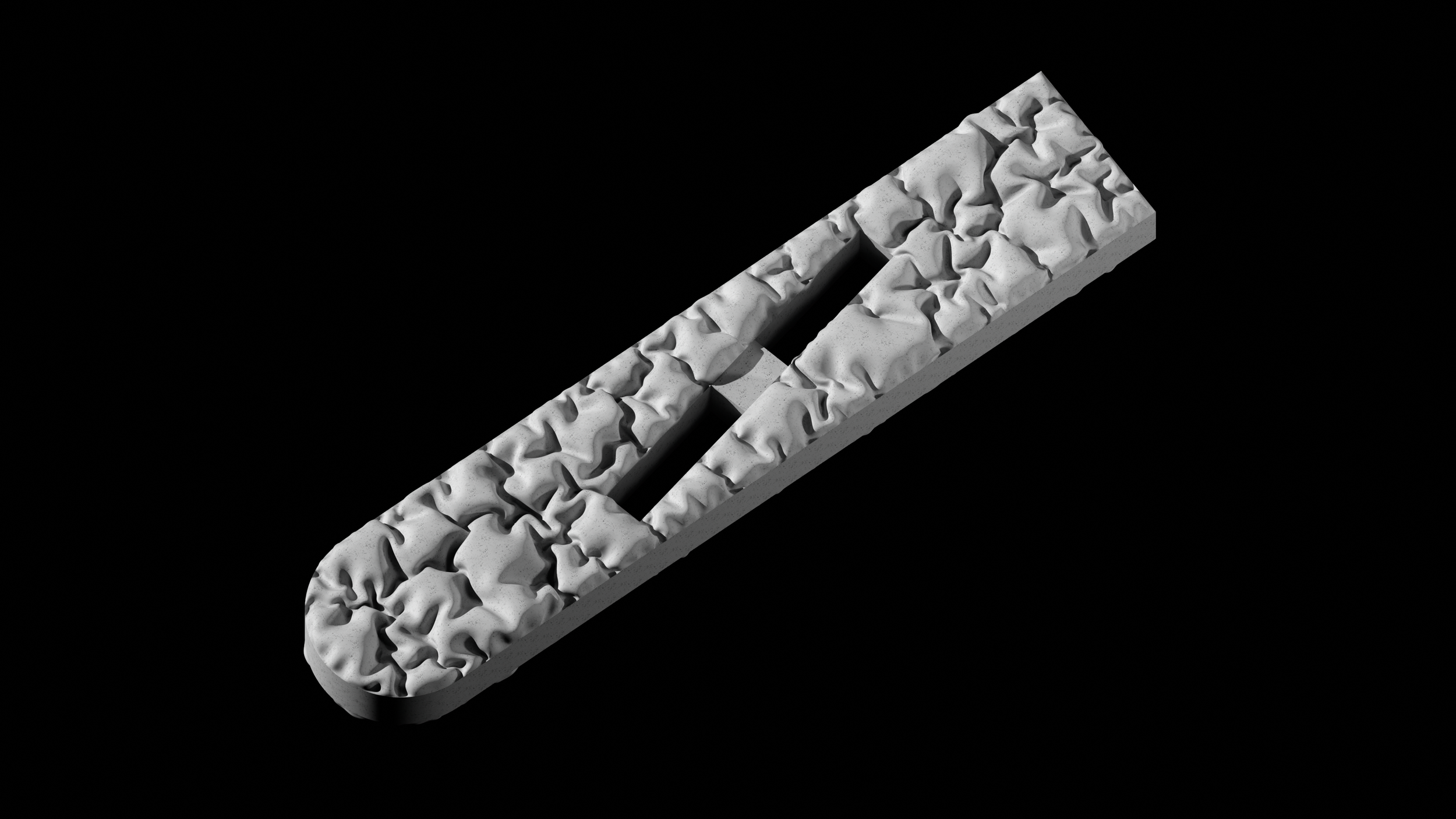
Intervention for James — Electa / Biennale Bookshop Pavilion
This project proposes an architectural intervention within the Electa / Biennale Bookshop Pavilion in the Giardini of Venice. It operates simultaneously as a continuation of the balloon animal study and as an independent investigation into minimal architectural intervention.
The existing pavilion, built in 1991 for the Venice Biennale, is a modest, single-storey structure set lightly within the Giardini landscape. Thirty meters long and six meters wide, it is linear, compact, and tectonically legible. Its dominant feature is an oversized copper roof that reads as an abstract book cover or hull. Beneath it, a glazed band and exposed structural frame create a transparent envelope that allows views both inward and outward.
The pavilion’s circulation is straightforward: one entry, one exit, and a single linear path of movement. Shelving lines the perimeter, preserving transparency. The extended roof shelters and frames, transforming function into attention. The building is materially driven — patinating copper, dark steel, warm timber, and glass — and proportionally imbalanced, with the roof visually outweighing the body beneath it.
It is a clear, rational object. It is also sensorially restrained.
Study of the Pavilion
Form
A long, low, linear volume dominated by its oversized copper roof/awning. The roof establishes a strong silhouette and theatrical presence despite the pavilion’s small footprint. Beneath it sits a light glazed band and exposed structural frame. The pavilion reads as a compact architectural object positioned among the larger national pavilions of the Giardini.
Color
Color is derived from material authenticity. The copper roof evolves through weathering, becoming the primary chromatic identity of the building. Secondary tones emerge from steel, timber, and glass — dark structural lines, warm wood grain, and reflective transparency.
Texture
Texture arises from contrast:
Copper — smooth and reflective, gradually matte and variegated.
Steel and timber — crisp edges and warm grain.
Glass — slick, planar, and visually lightweight.
The pavilion celebrates visible tectonics and crafted material articulation.
Proportion
Modest in scale yet intentionally imbalanced. The oversized roof dominates the enclosed volume below, reinforcing the metaphor of a “book cover” protecting its contents. This deliberate disproportion gives the pavilion an iconic presence.
Circulation
Linear and scenographic. Visitors approach under the overhang, pass through a single threshold, and move along a clear path. The act of browsing unfolds as a visible performance both inside and beneath the awning.
Degree of Enclosure
The pavilion transitions from open to enclosed:
Under the roof: sheltered, semi-exterior space.
Glazed façade: visually open, physically enclosed.
Interior: compact, domestic in scale.
This layered enclosure reinforces the kiosk typology and the metaphor of a partially opened book.
View / Outlook
The glazed band creates continuous outward views to the Giardini landscape while simultaneously exposing the interior activity of browsing. The roof frames sightlines, choreographing visual relationships between books, visitors, and garden.
Lighting Condition
Natural daylight dominates. The extended roof filters direct sun, providing diffuse, controlled illumination suitable for browsing. Interior lighting supplements but does not override this strategy.
The Intervention
The project proposes a minimal yet transformative intervention: the replacement of the pavilion’s static floor with a responsive, inflatable structural system derived from the balloon animal study.
This intervention does not alter the pavilion’s envelope, roof, or tectonic clarity. Instead, it activates the most neutral architectural element — the floor — turning it into a dynamic spatial field. The intervention introduces a tactile and kinetic dimension to a pavilion that is otherwise tectonically static.
The floor affords sitting, reclining, leaning, and informal gathering.
It blurs the distinction between furniture and architecture.
It transforms browsing from a purely visual activity into an embodied experience.
Visitors no longer simply move in a straight line; they negotiate subtle shifts in elevation and softness. Movement becomes slower, more conscious. Reading becomes grounded in the body.
The project maintains the pavilion’s formal clarity while introducing a layer of sensory complexity. The copper roof remains dominant. The glass band remains transparent. The tectonic legibility remains intact.
What changes is the experience of being inside.
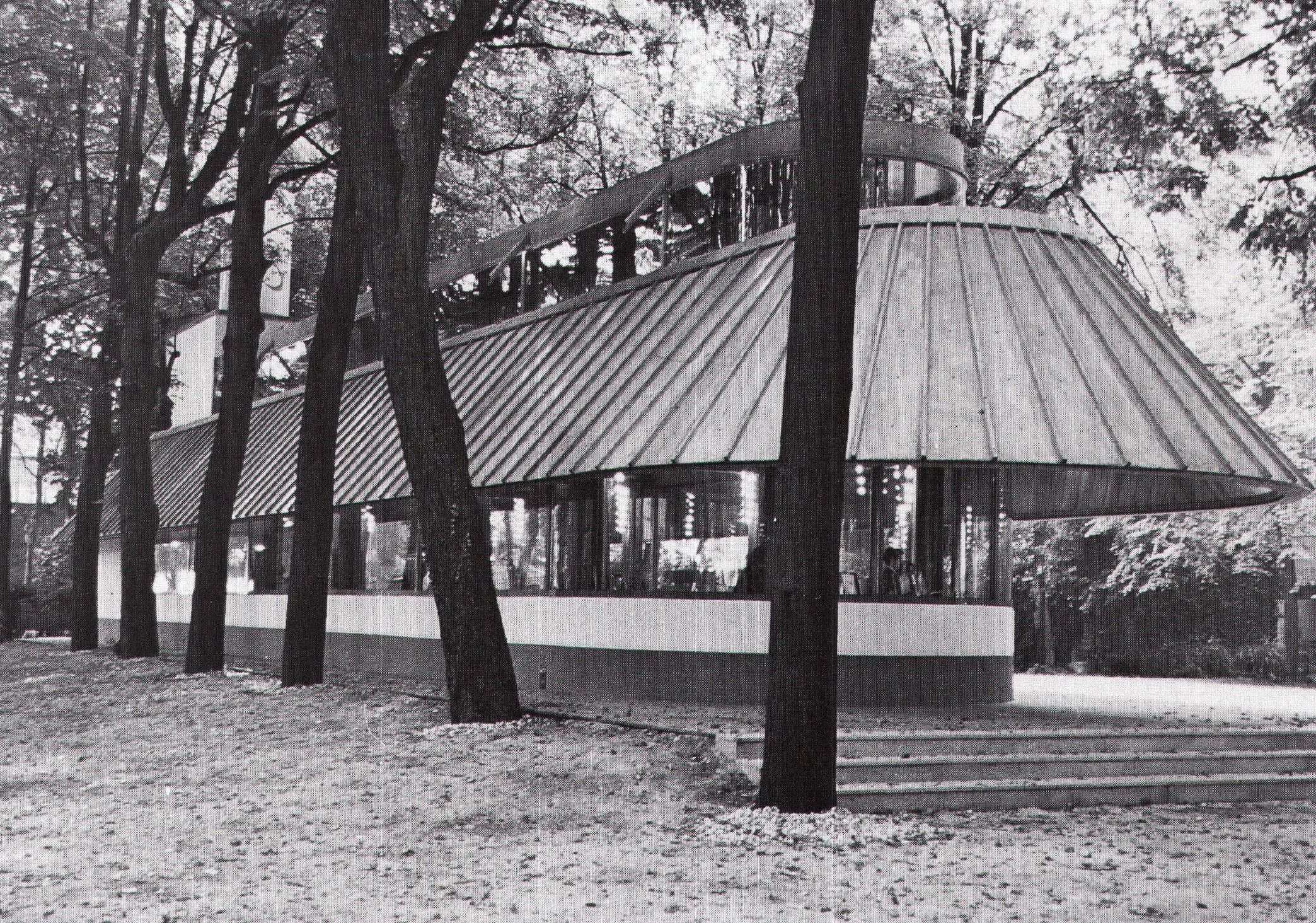
Architect: James Stirling
Location: Giardini della Biennale
Year: 1991
Function: Bookshop pavilion for the Venice Biennale
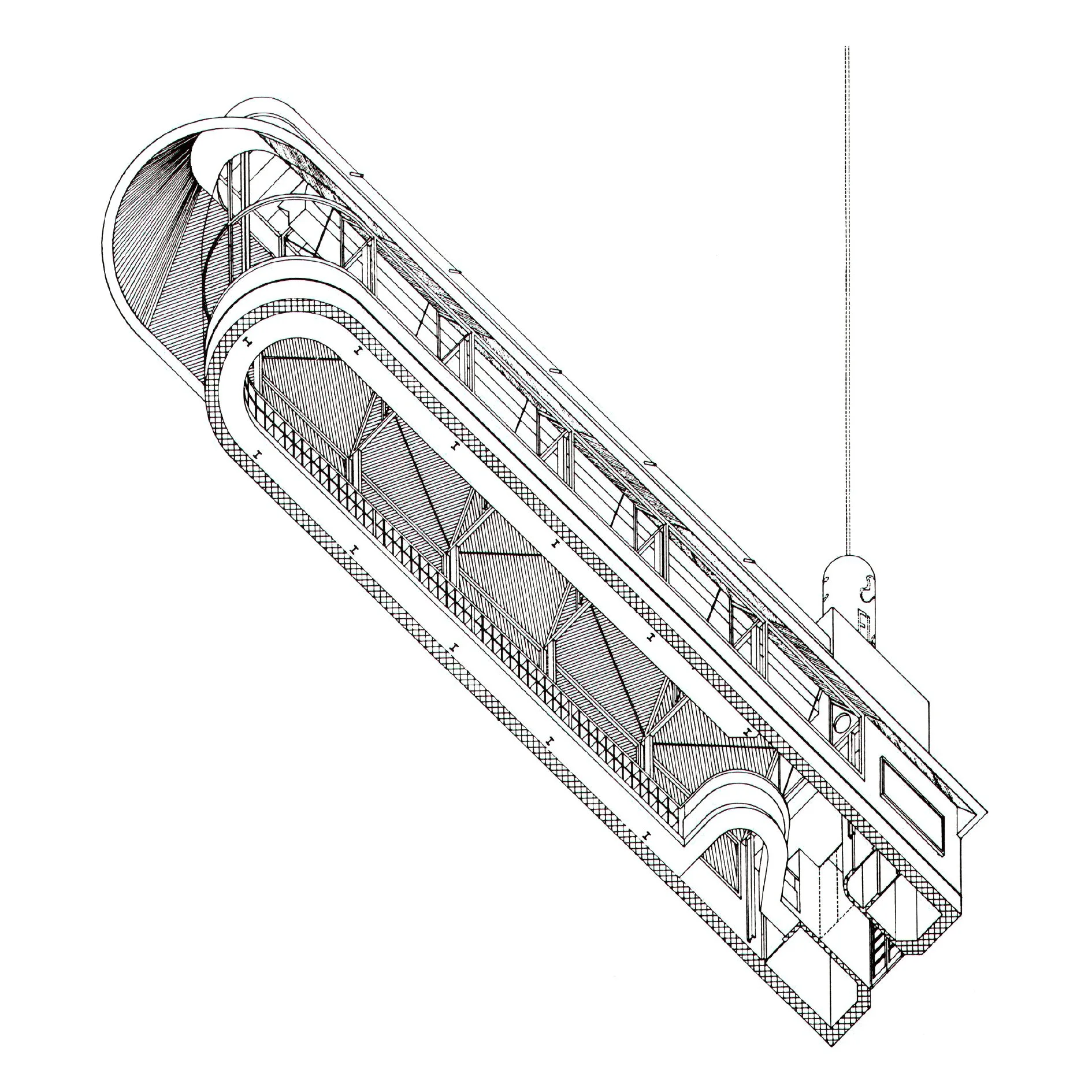
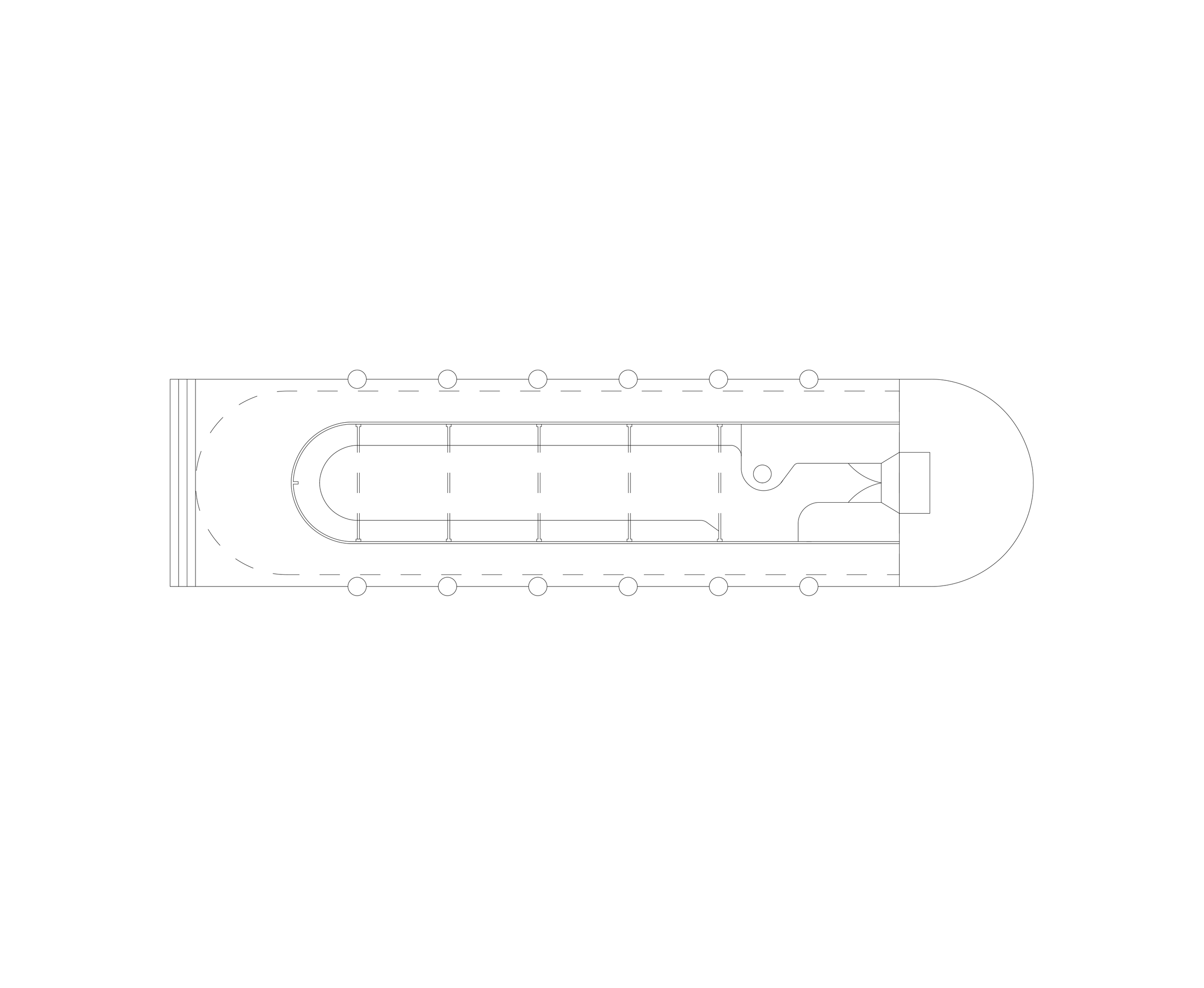
Electa / Biennale Bookshop Pavilion – Ground Floor Plan by James Stirling (1991), located in the Giardini della Biennale, Venice. The pavilion has an approximate rectangular footprint of 20 m in length and 10 m in width (approximately 200 m²). It is a single-storey structure with a steel frame, brick and plaster walls, and a curved roof form. The ground floor plan consists of an open central retail space, perimeter shelving, and a small service/storage area at the rear.
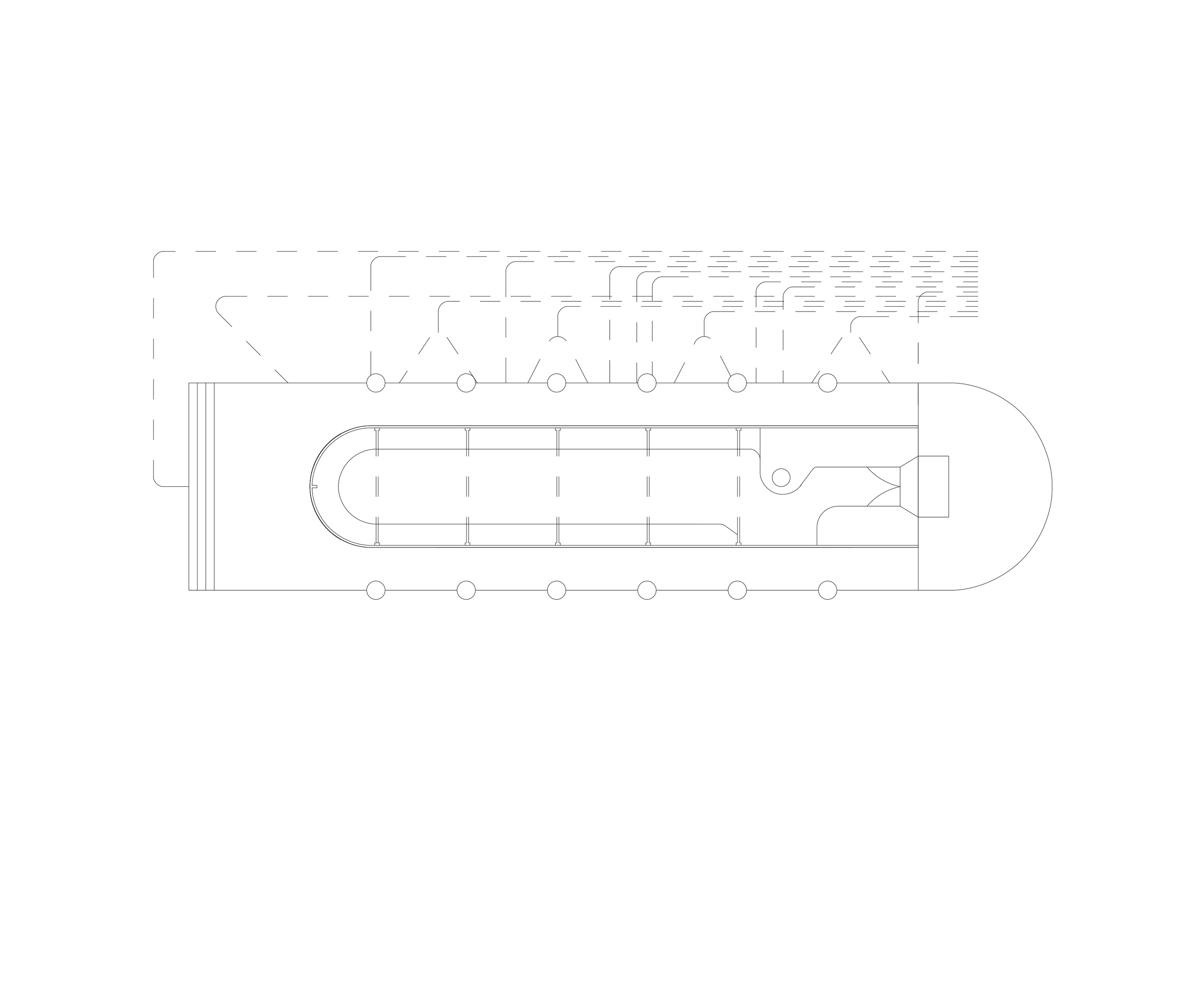
Ground Floor Plan with Suggested Intervention: Integration of an inflation and deflation structural system, partially emerging from the ground.
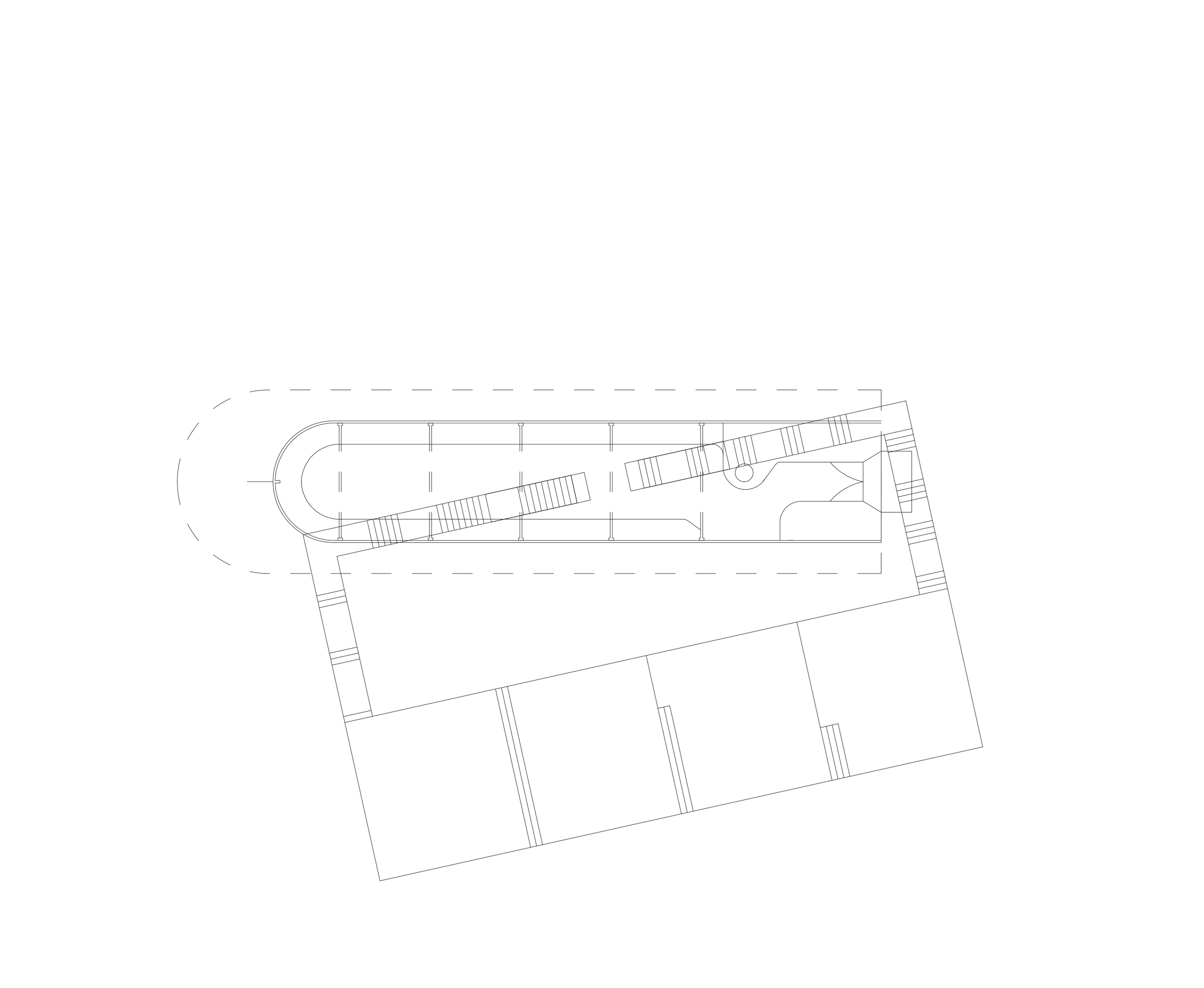
Second Underground Floor Extension to the pavilion, exploring the possibility of future expansion and adaptability of the structure.
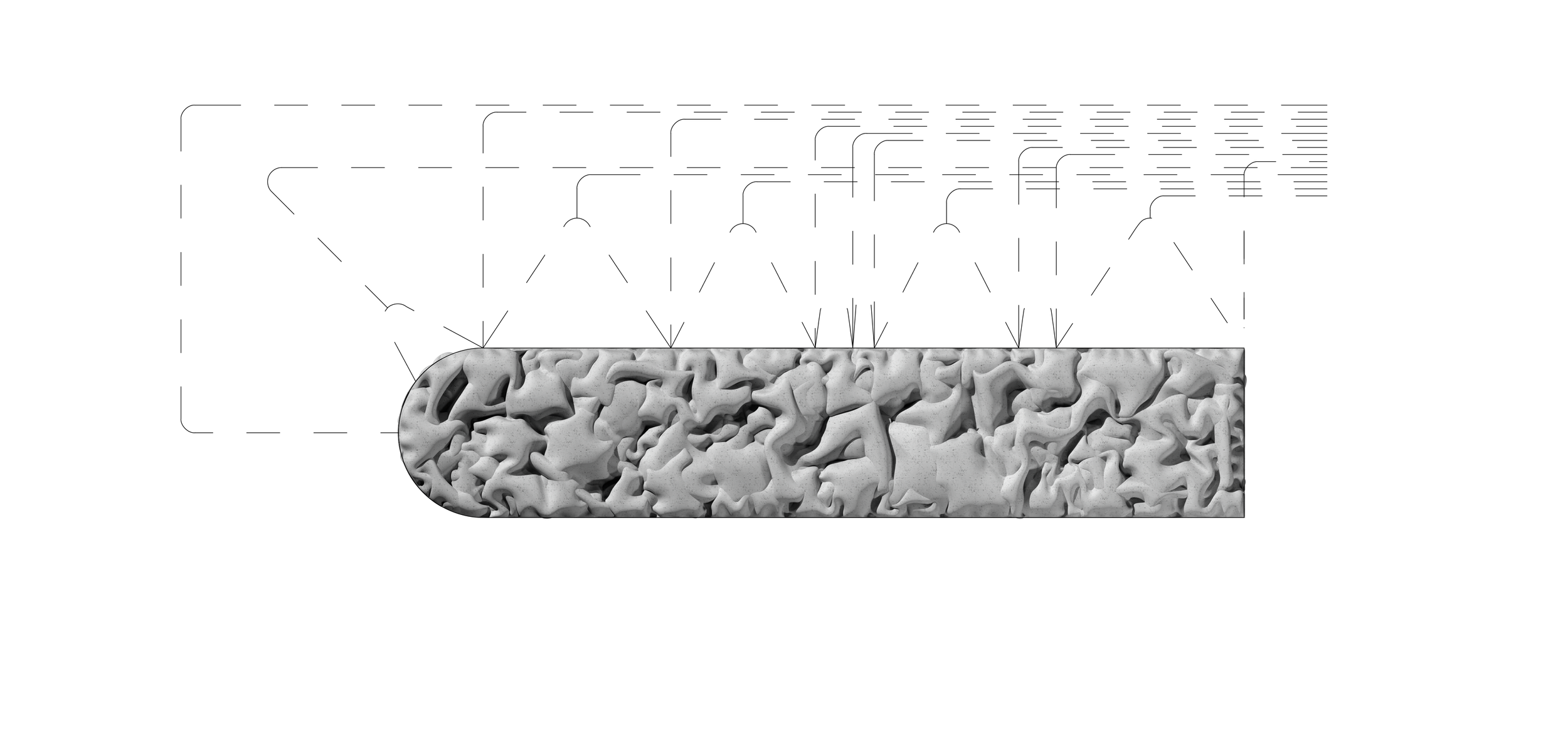
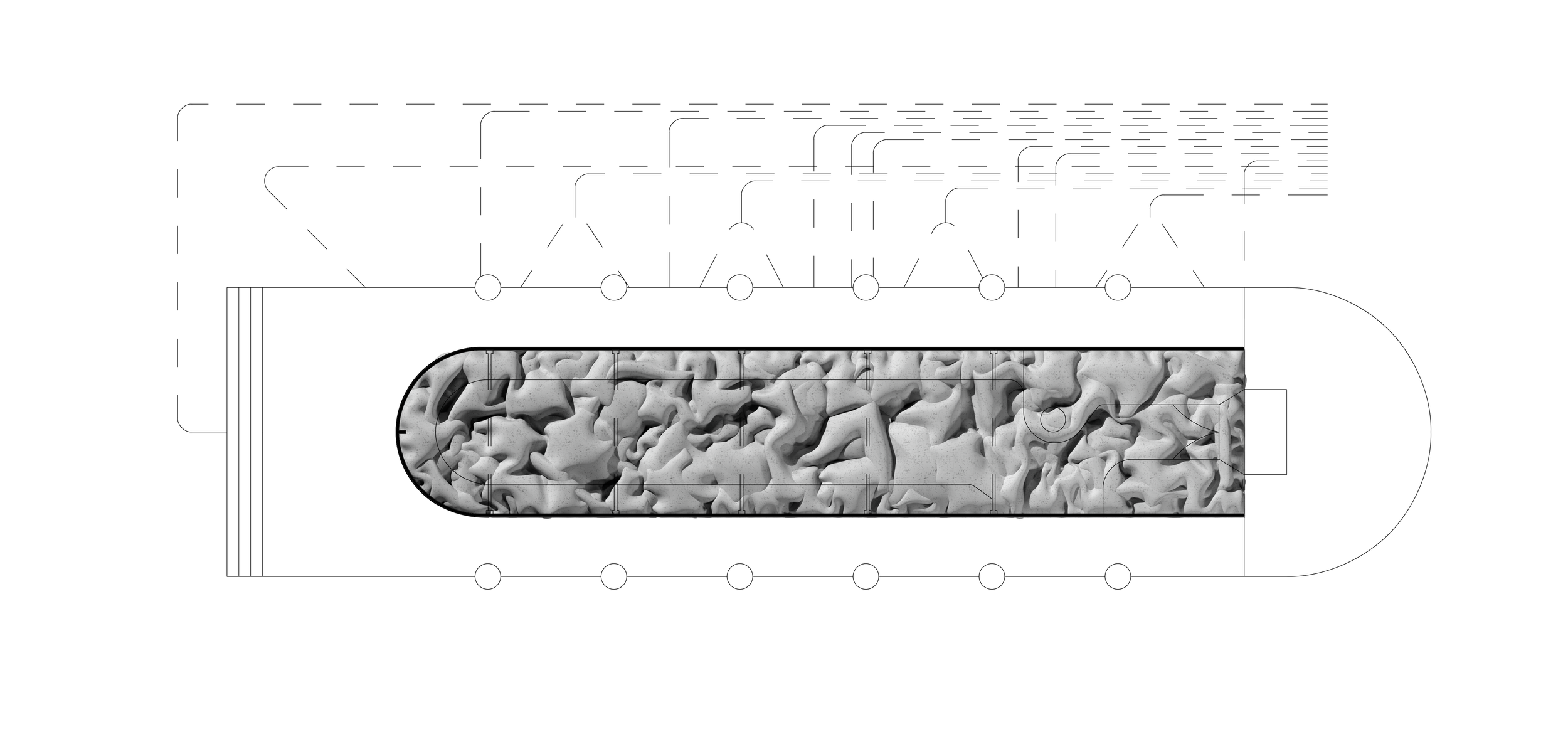
Proposal for a new floor structure integrated within the pavilion, incorporating a pneumatic inflation and deflation membrane system as part of the structural and spatial strategy.
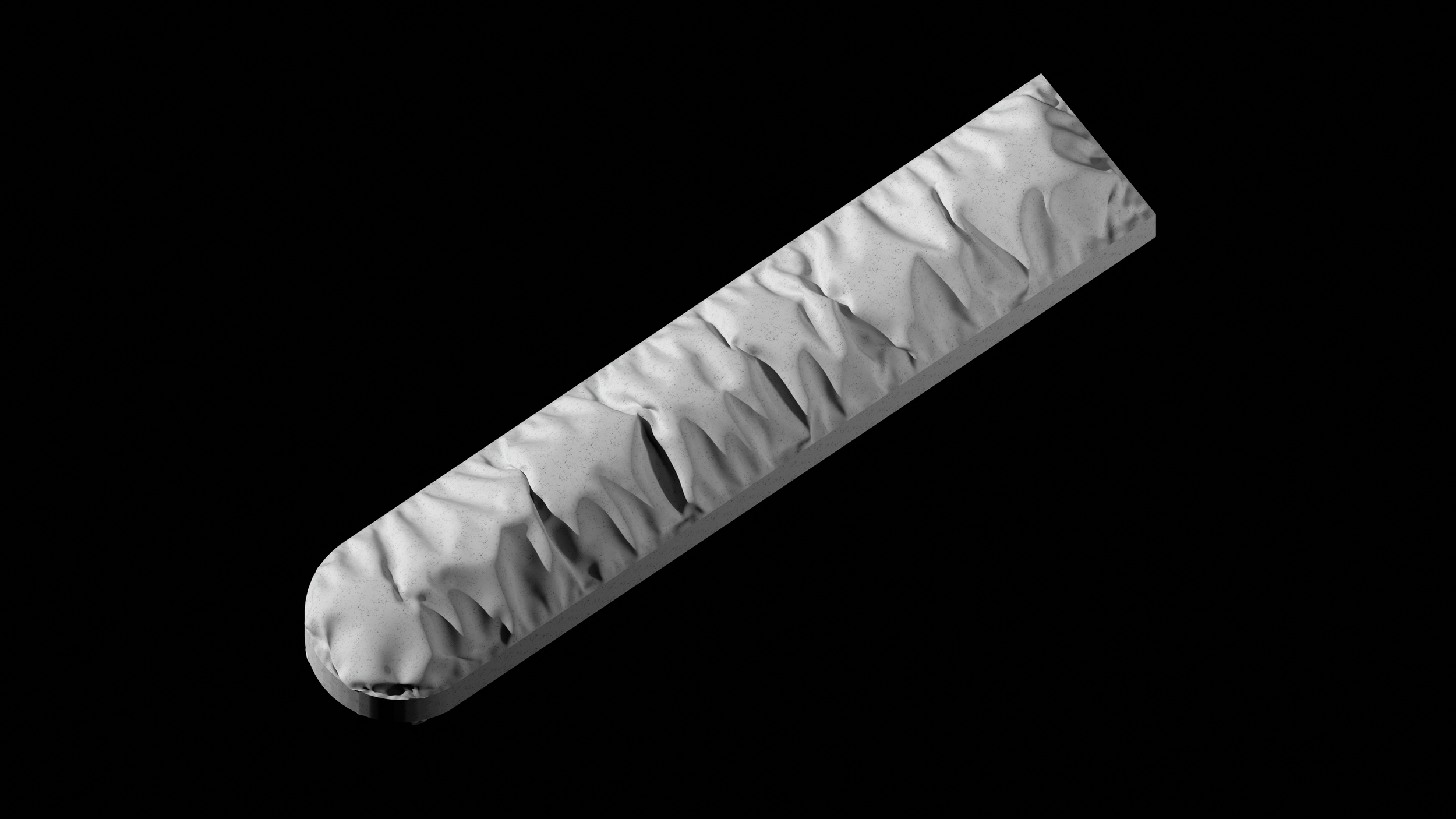
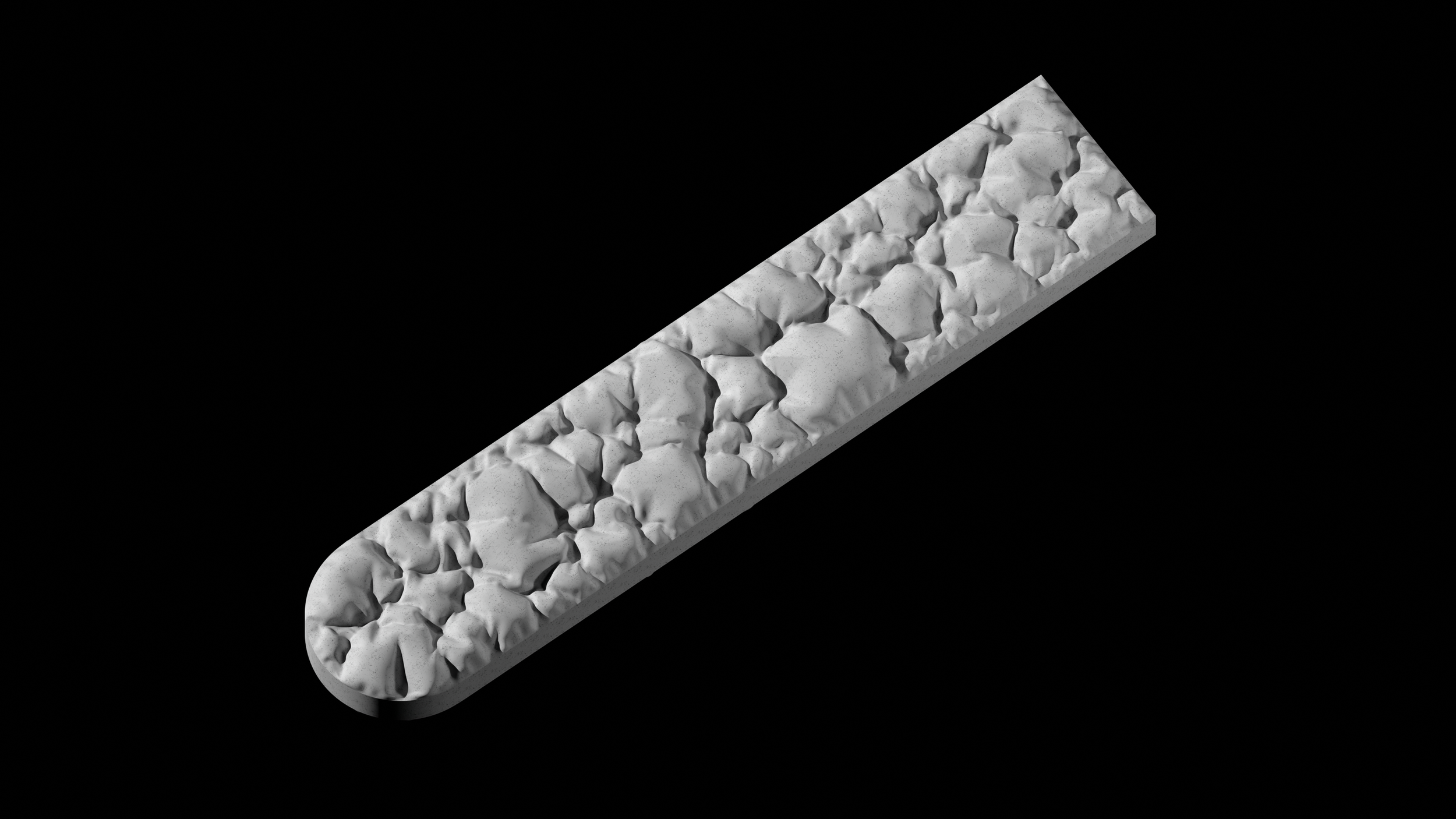
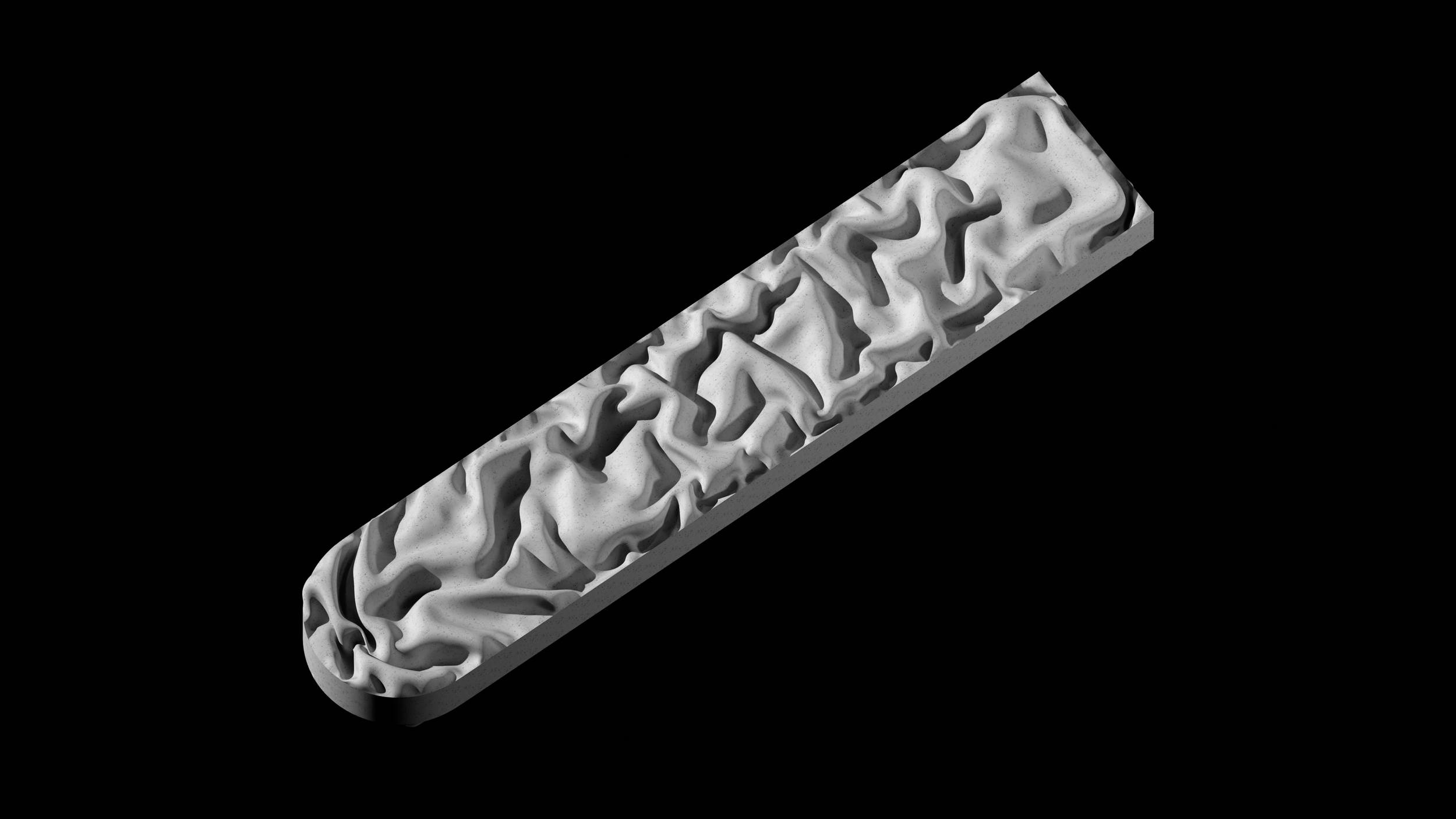
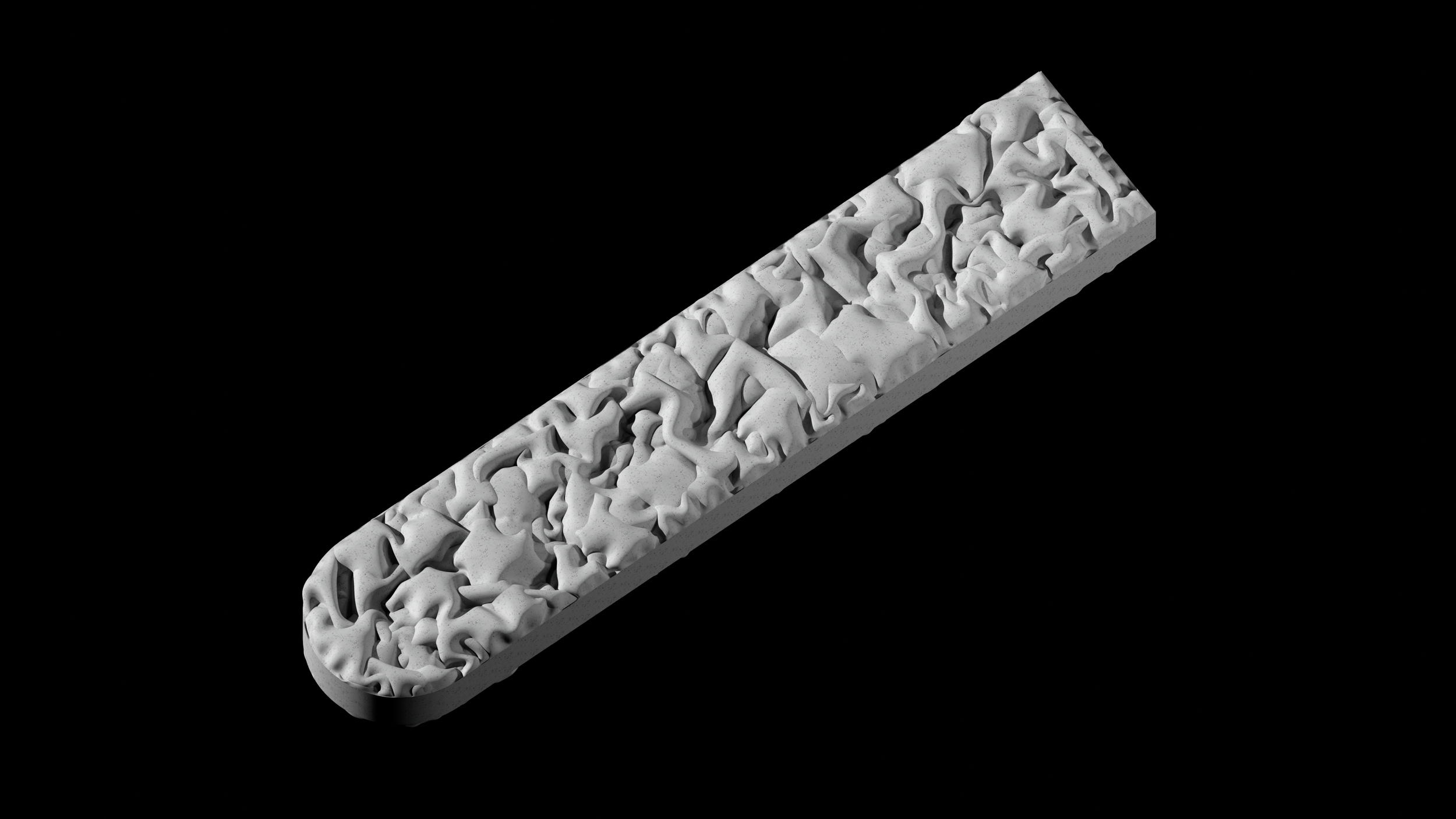
Axonometric renderings illustrating the proposed pneumatic floor structure across multiple transformation phases. The system responds to environmental and programmatic conditions by transitioning from a fully inflated state to controlled variations of compression and tension. These shifts enable spatial reconfiguration: the floor transforms into reading platforms or informal seating surfaces, or generates an undulating topography that disrupts the original linear circulation, encouraging a more dynamic and sensory spatial experience.
Phase – Fully Inflated (Neutral Platform)
Phase– Partial Deflation (Seating / Reading Topography)
Phase – Differential Pressure (Circulation Disruption Mode)
Phase – Maximum Compression (Event Configuration)