I Misunderstood Displacement: Investigating the Logic of Blobs and the Emergence of Balloon Animals
The project explored the understanding of provocative forms in architecture. Initially, provocative form produces a state of awe—an awe that emerges from the aesthetic presence of the foreign object. This object is typically singular and self-standing within a field, defined primarily by its formal and visual impact. It creates suspension: raising questions about the illusion of its construction and curiosity about what it might contain—whether as program or as spatial experience.
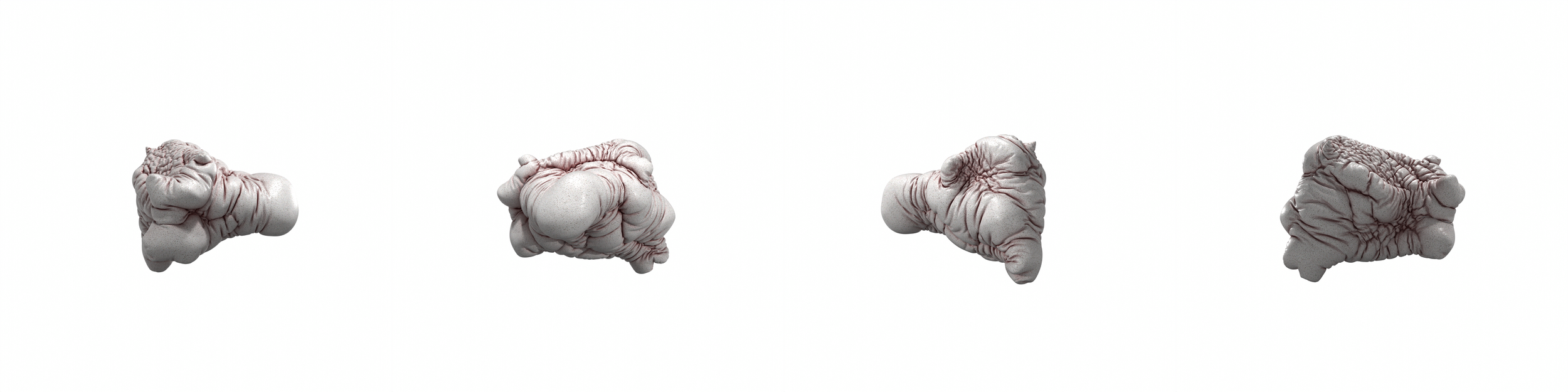
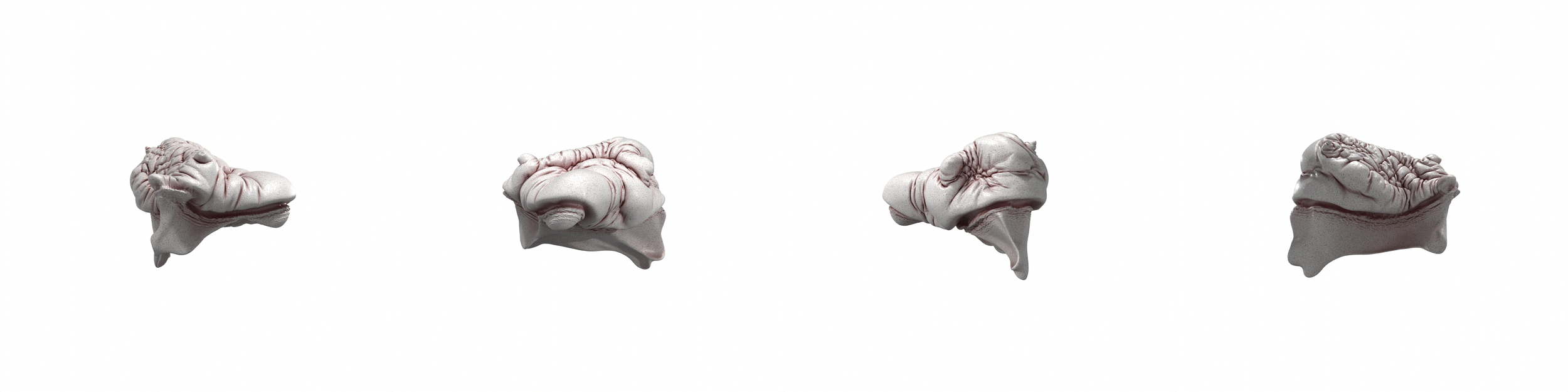
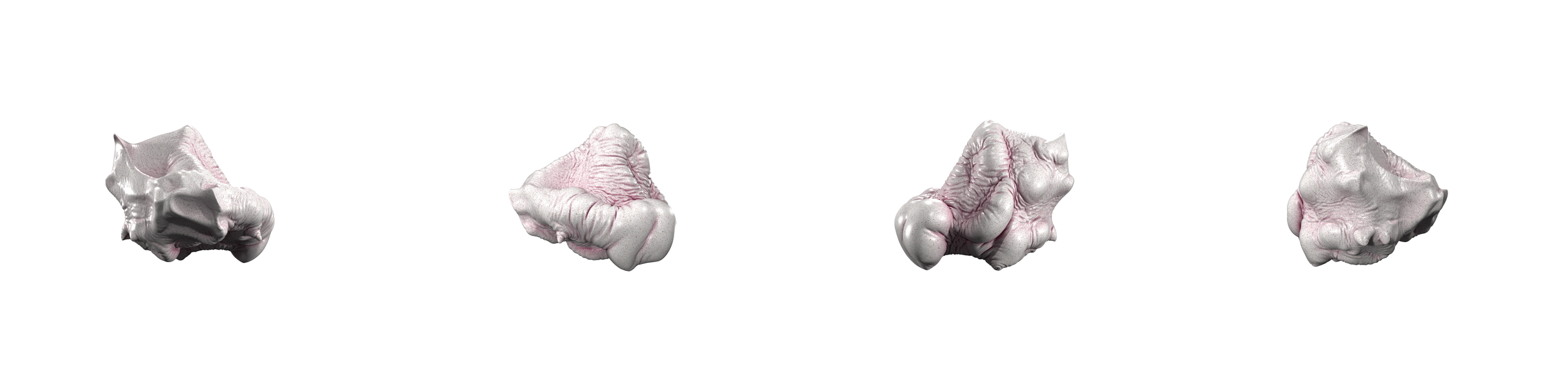
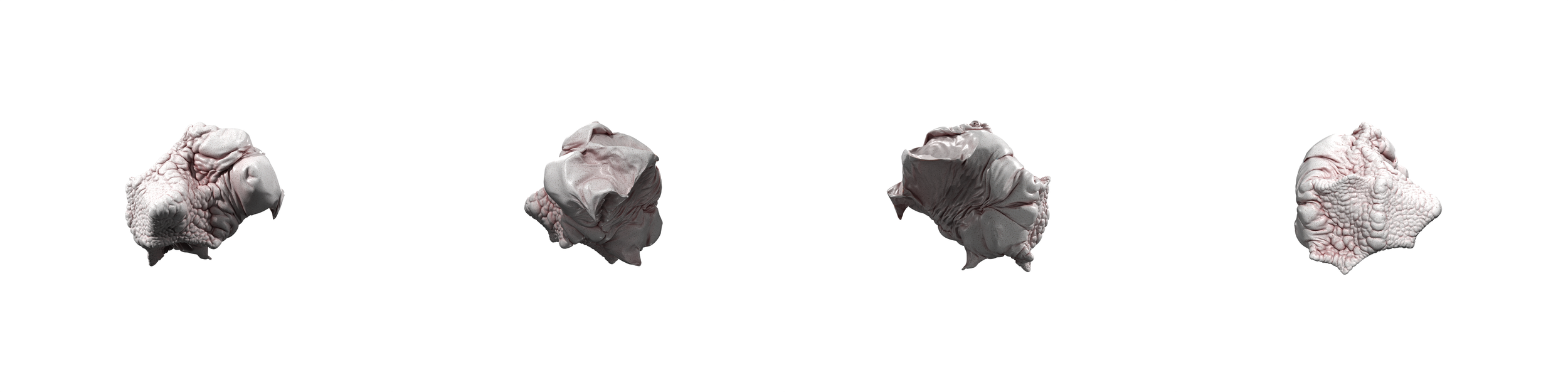
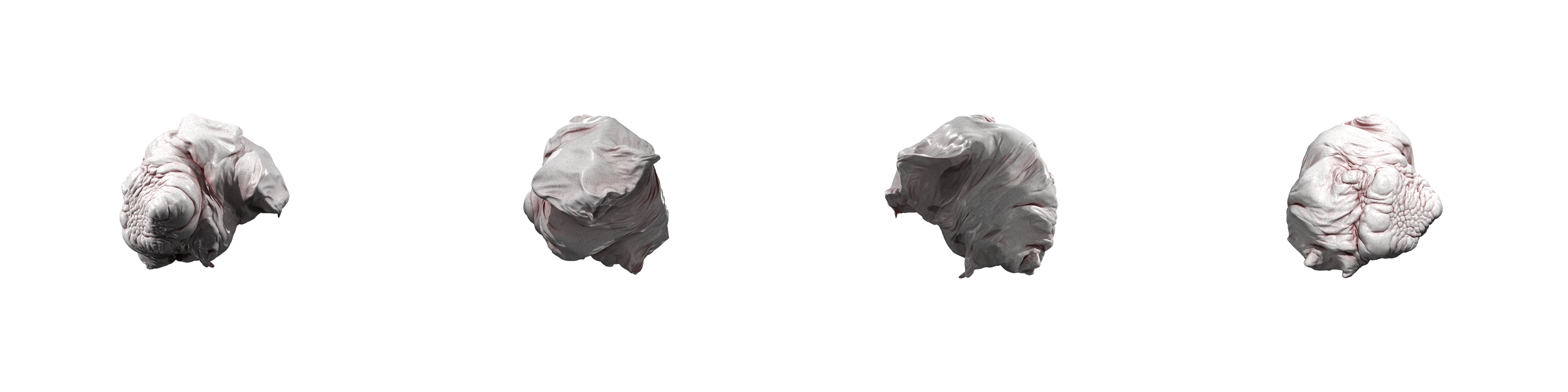
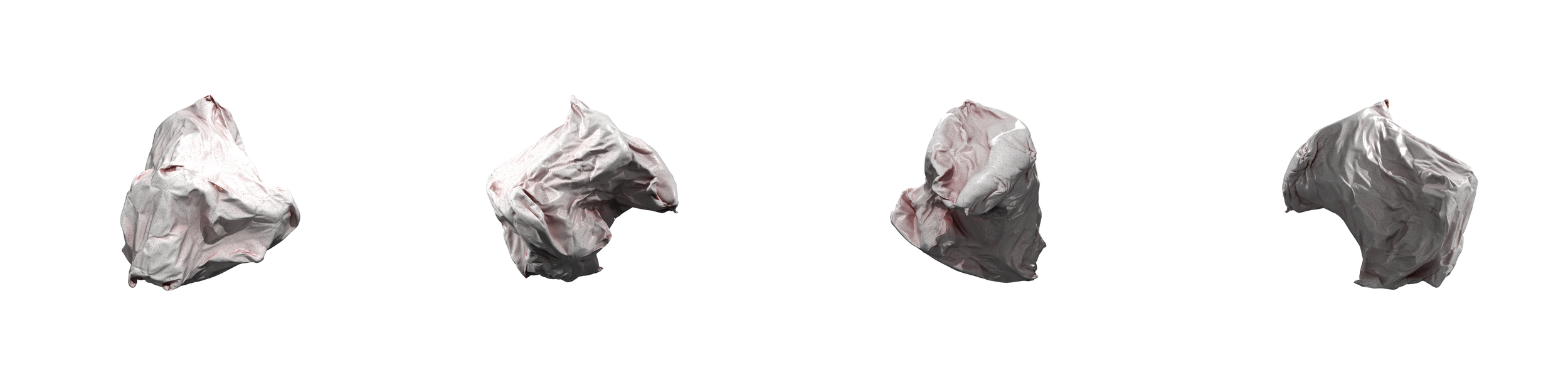
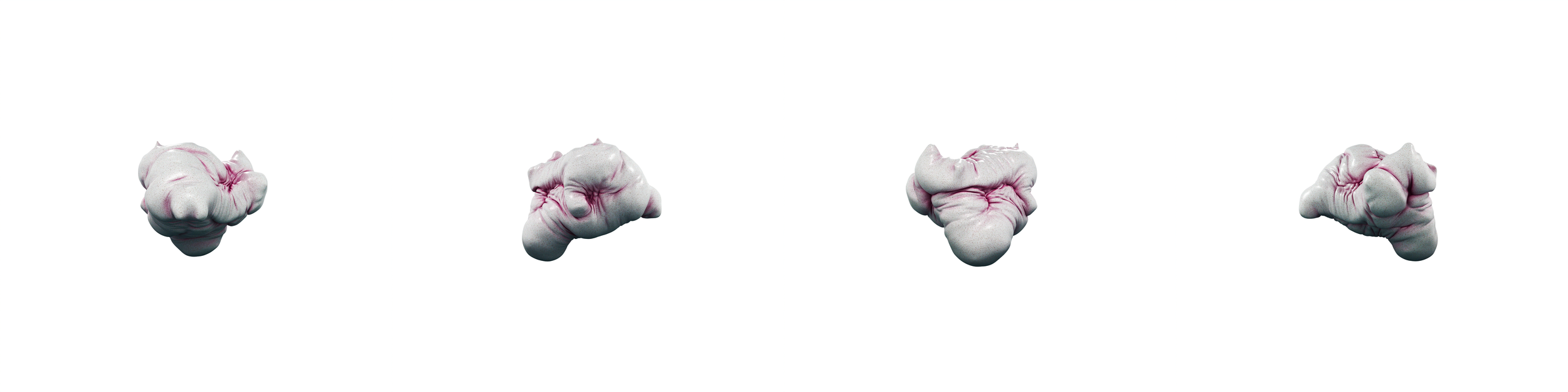
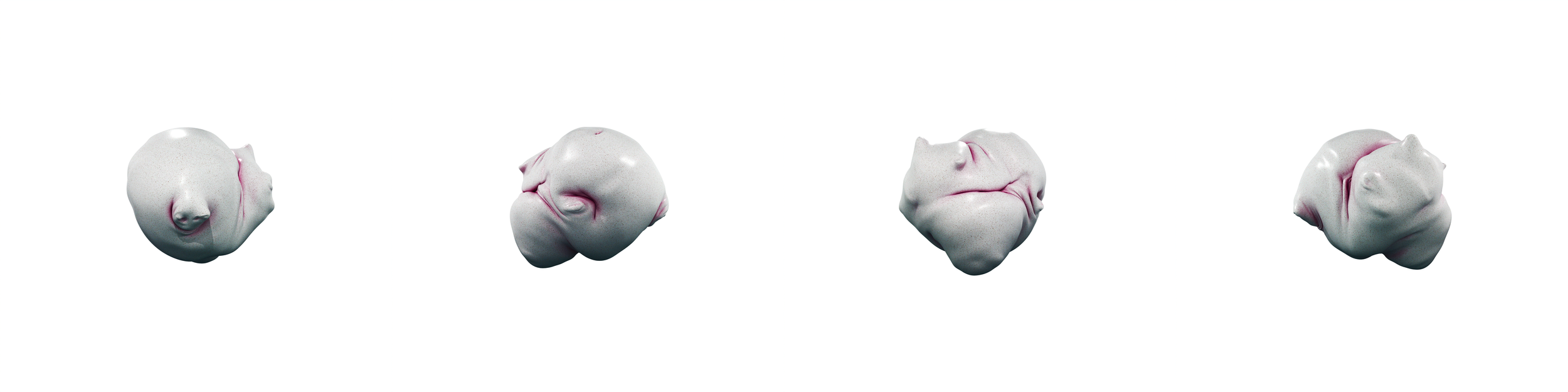
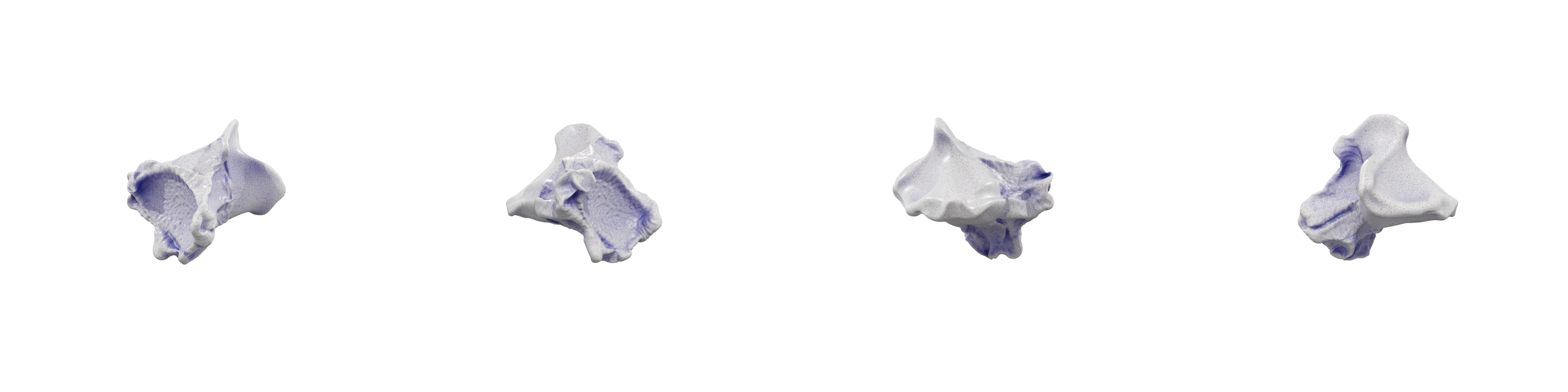
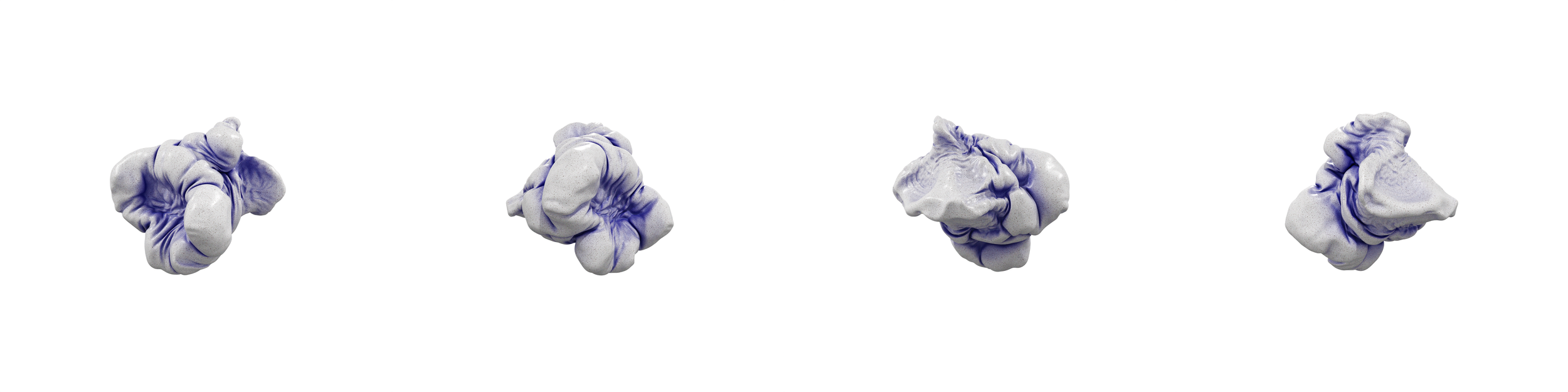
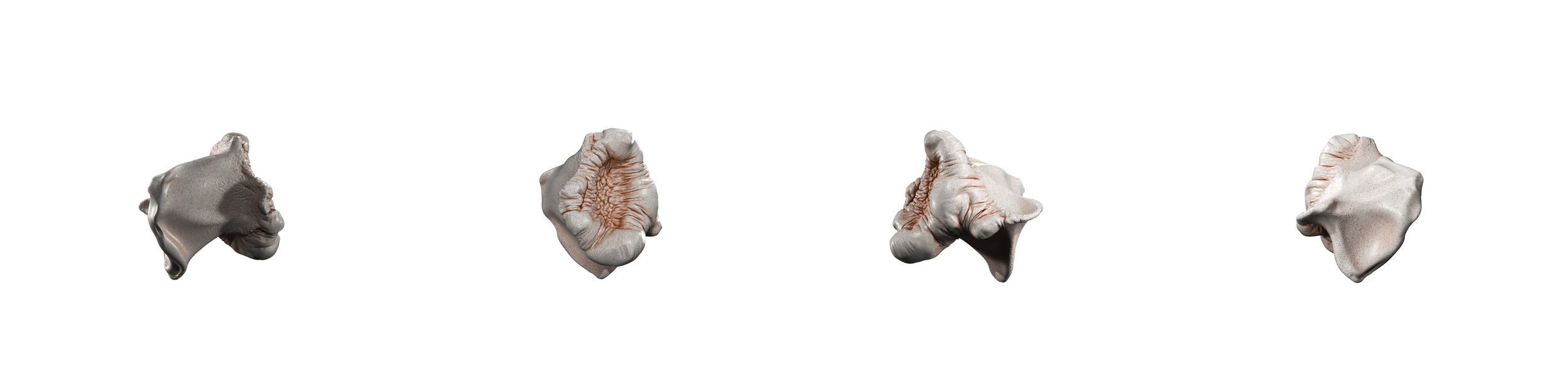
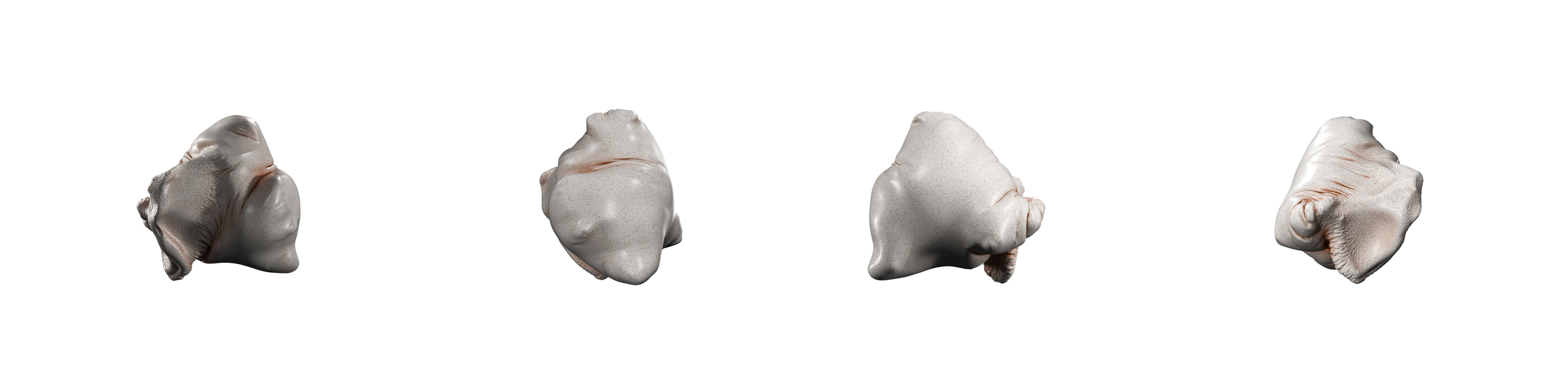
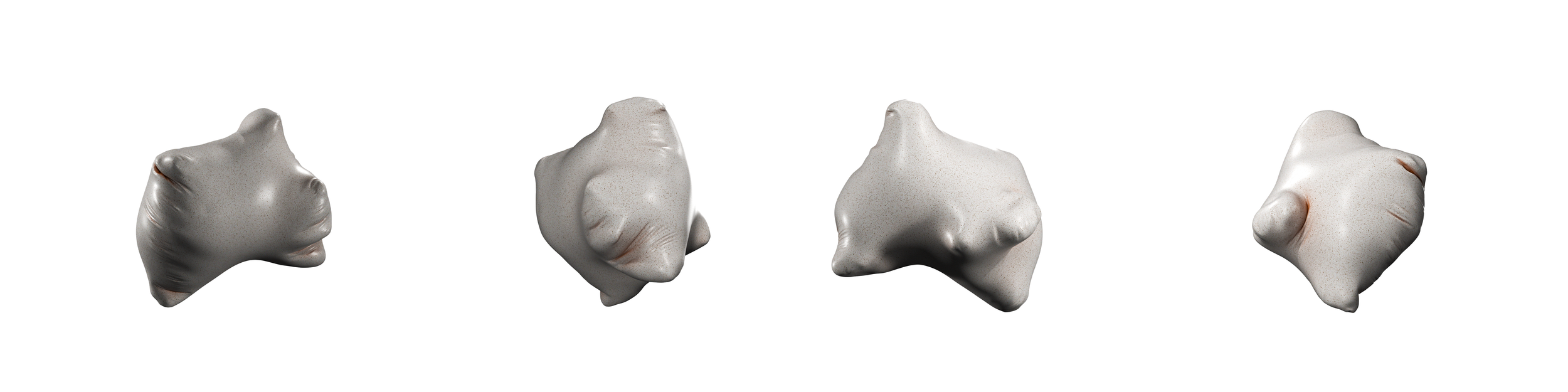
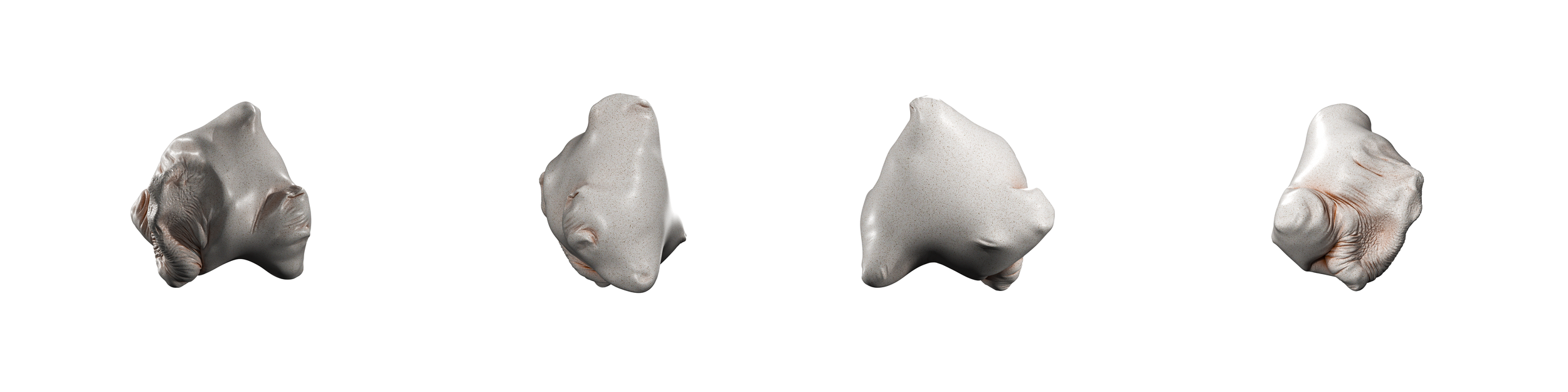
In this case, the foreign object took the form of digitally generated blobs. These were produced through processes of displacement and subdivision. They were created with the sole purpose of representing form. However, this later raised an important distinction between form and shape. The foreign object breaks expectations because traditional buildings follow conventions—clear shapes, predictable rooms, and logical circulation. These conventions create habits, and habits produce familiarity. Over time, buildings fall into the background of our attention.
This effect applies not only to conventional buildings but also to foreign objects. While they initially generate awe, repetition diminishes their impact. When the foreign object becomes permanent or repeated, it risks turning into another convention. It disturbs established norms—but only temporarily—before becoming normalized itself.
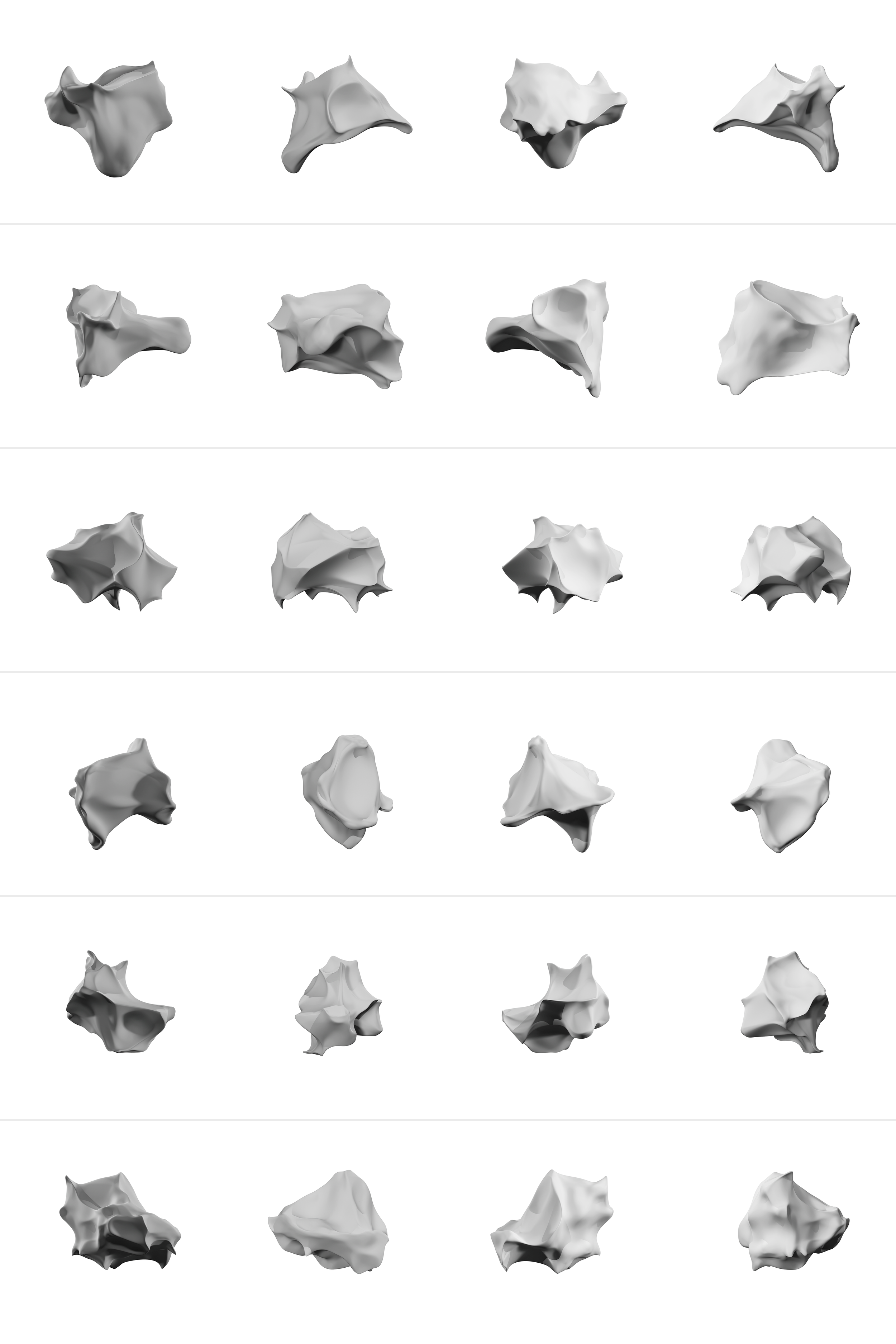
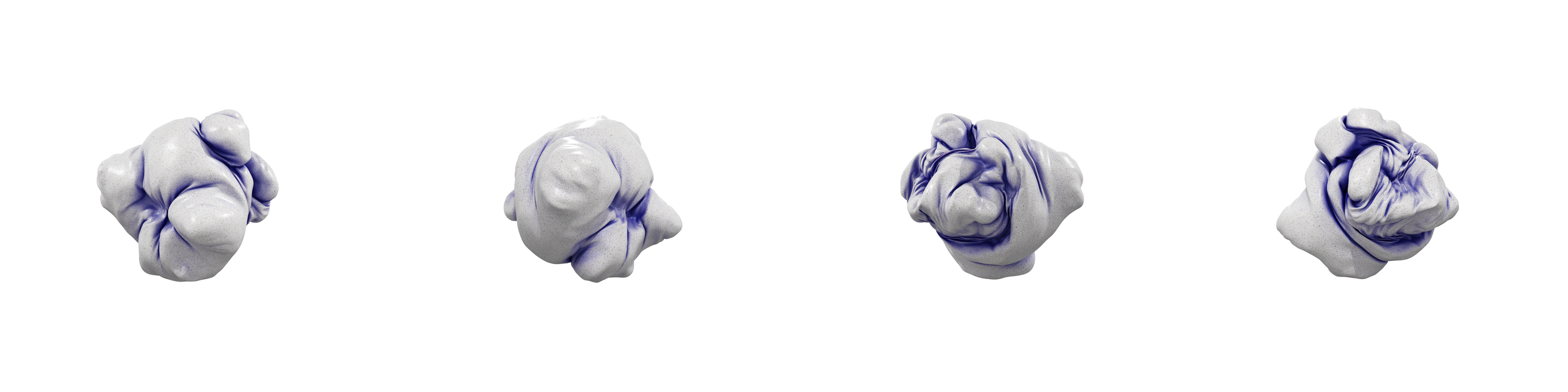
The project explored six blobs as they transformed and disfigured. The repetition of more than one or two blobs prevented total chaos. Repetition introduces type; even the foreign can become a type. However, this repetition also diluted the intensity of awe that a singular foreign object might briefly afford.
The transformation of these objects followed a logic of “excessive response,” meaning they deliberately overreacted. Small manipulations resulted in exaggerated formal shifts. Yet the lack of clear definition—or rather, the limited intentional control over the produced forms—prevented them from fully entering the category of architectural form. This led to a critical realization: form must carry intention. As the foreign objects morphed and transformed, their lack of clear intentional resolution made them feel more like directional shapes than true architectural forms.
Through this process, I came to understand that challenging architectural conventions requires more than distortion alone. A true challenge must balance the absence of rigid formal categorization with a clear spatial intention. When intentionality guides the transformation of the foreign form, it can extend the state of awe beyond a brief moment and sustain its resistance to convention.
This allows the foreign formal object to:
Blur boundaries between functions
Create instability and tension intentionally
Encourage flexible use of space
Reject rigid typologies
If spaces are not rigidly defined, they can adapt. This may manifest as a hallway that unexpectedly widens or twists, rooms that overlap rather than remain clearly separated, or spaces that bleed into one another instead of maintaining fixed boundaries.
The end result of the shape transformation and morphing introduced an unexpected shift: what once appeared radically foreign began to resemble familiar elements from everyday life. The forms evoked associations with balloon animals or organic human body parts. This raised a critical question—are we ever fully confronted with the foreign, or do we inevitably relate it back to ourselves and to what we already know? The project ultimately suggests that even the most unfamiliar forms are interpreted through the lens of human familiarity, revealing our instinctive need to anchor the unknown within the context of daily life and embodied experience.
Six Foreign Objects Pre-Transfiguration
A Balloon Animal Shopping Catalog
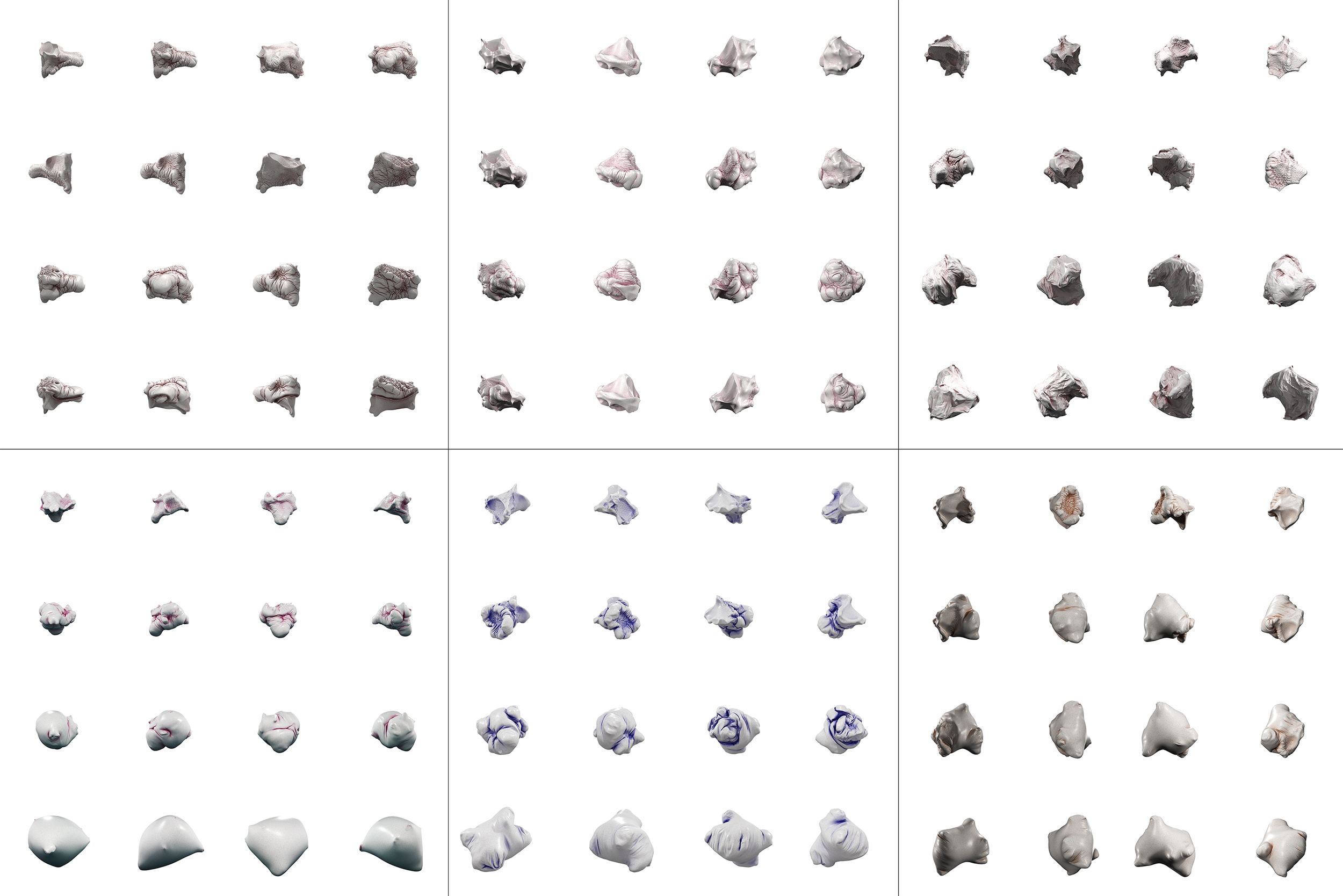
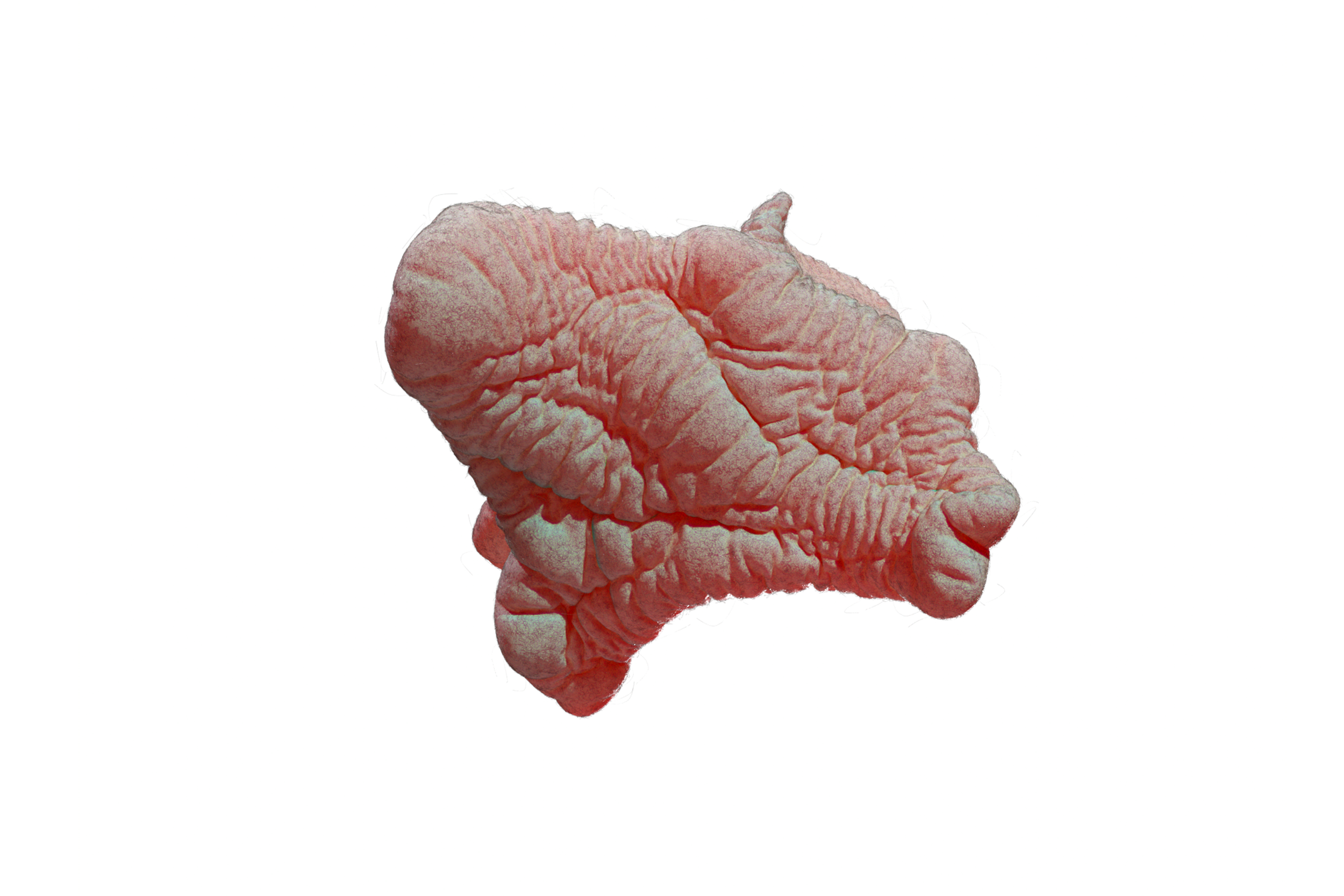
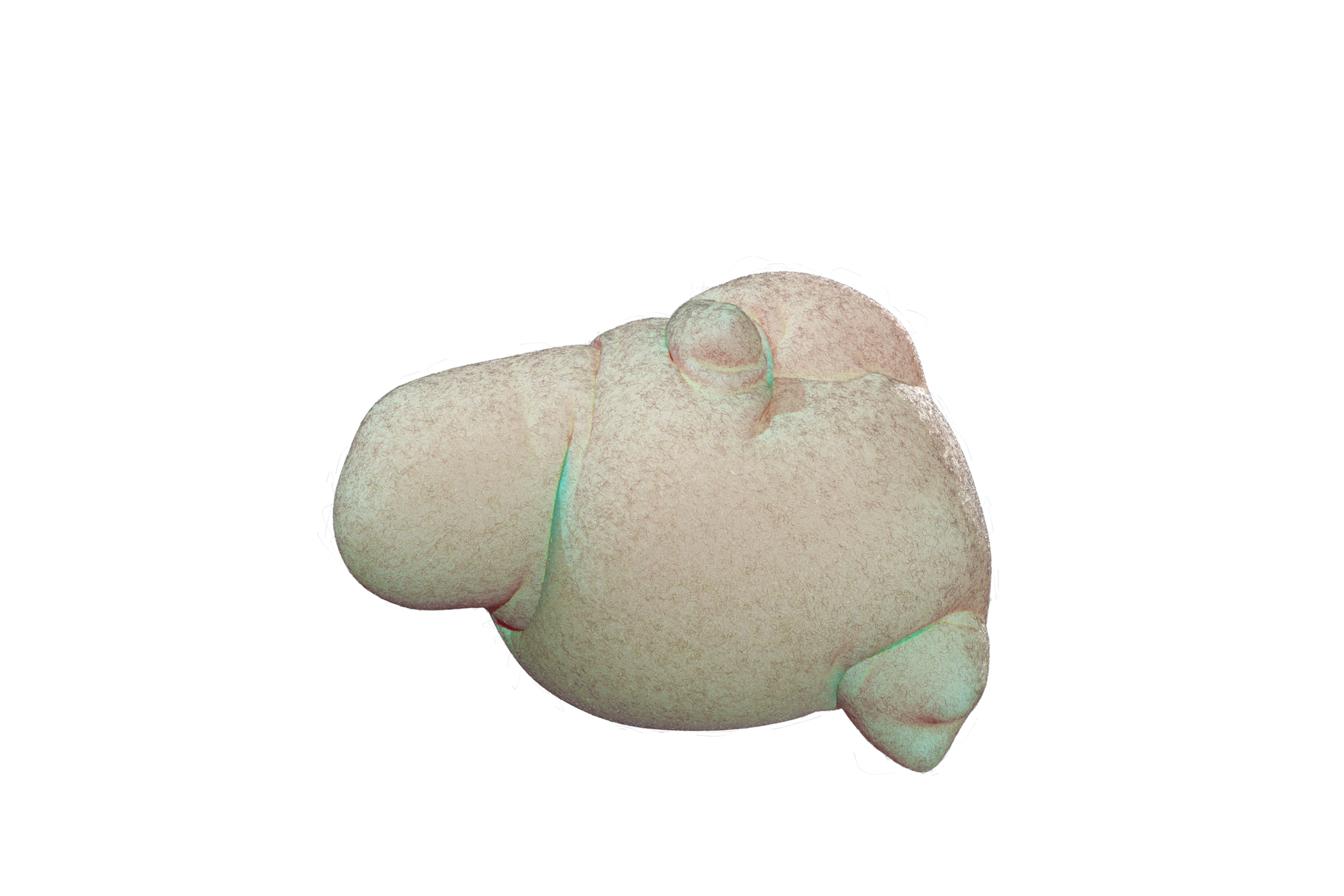
From the Foreign Blob to the Emergence of Balloon Animals
top view
one of six Foreign Blob
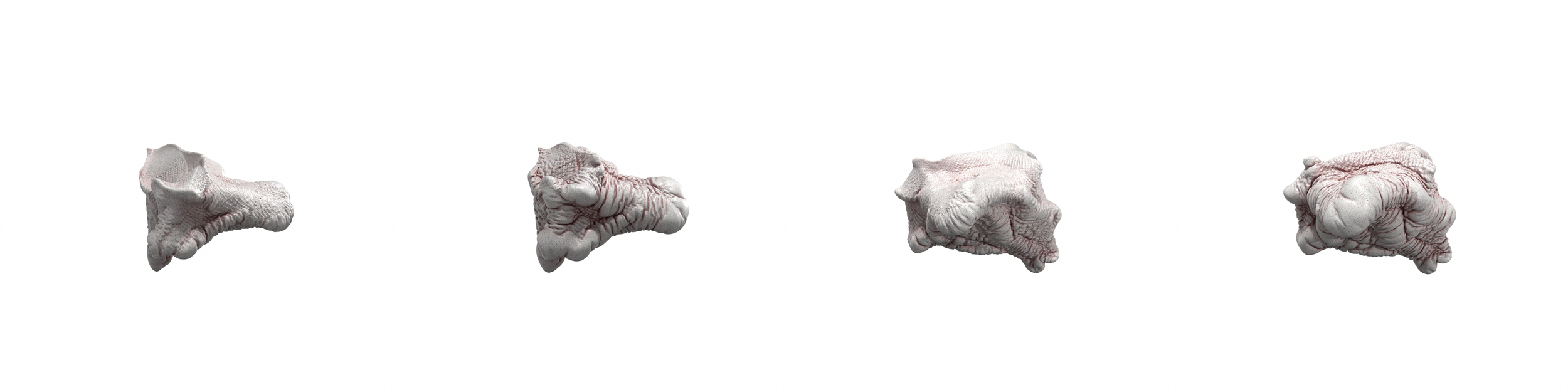
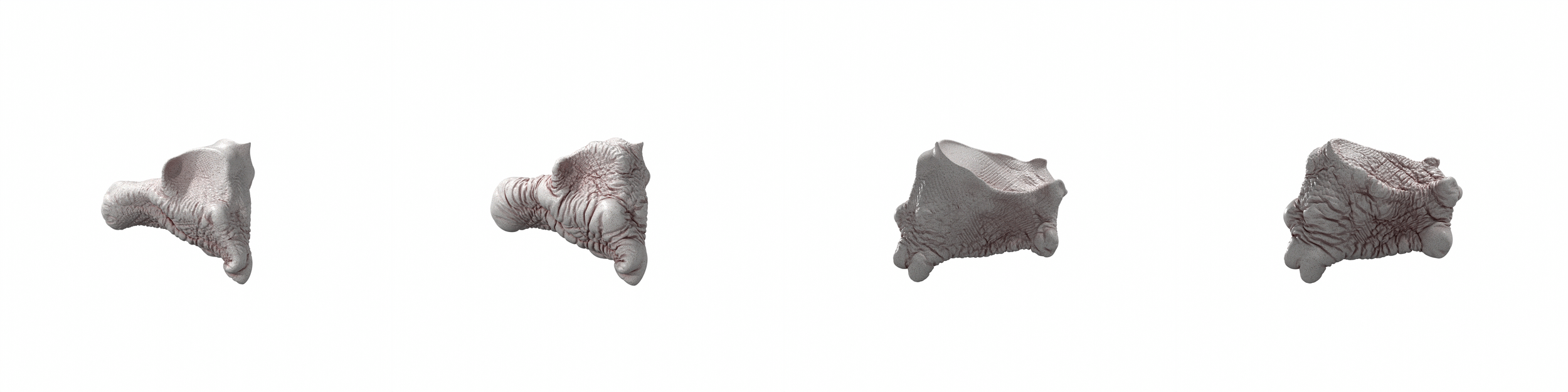
two of six Foreign Blob
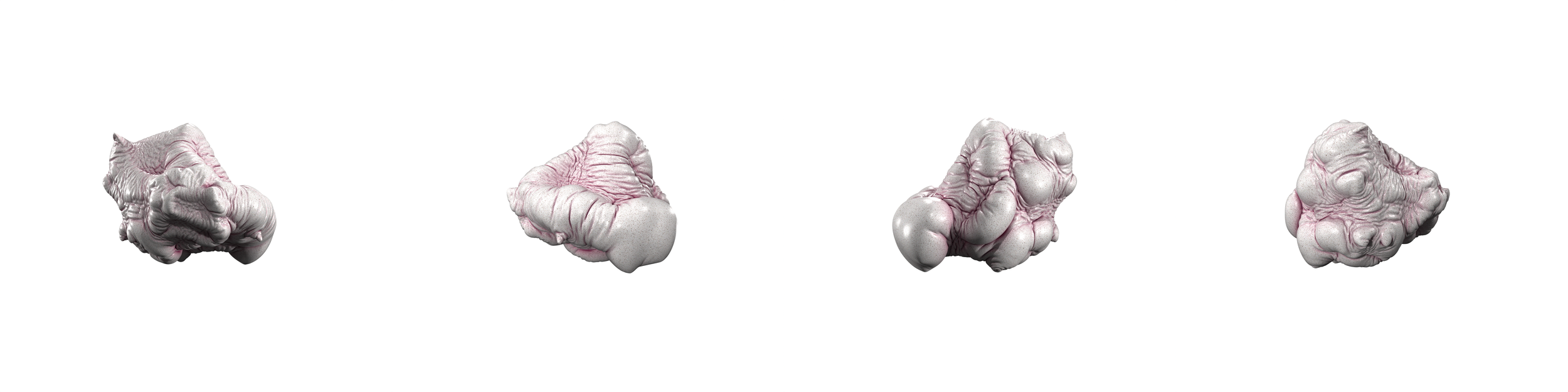
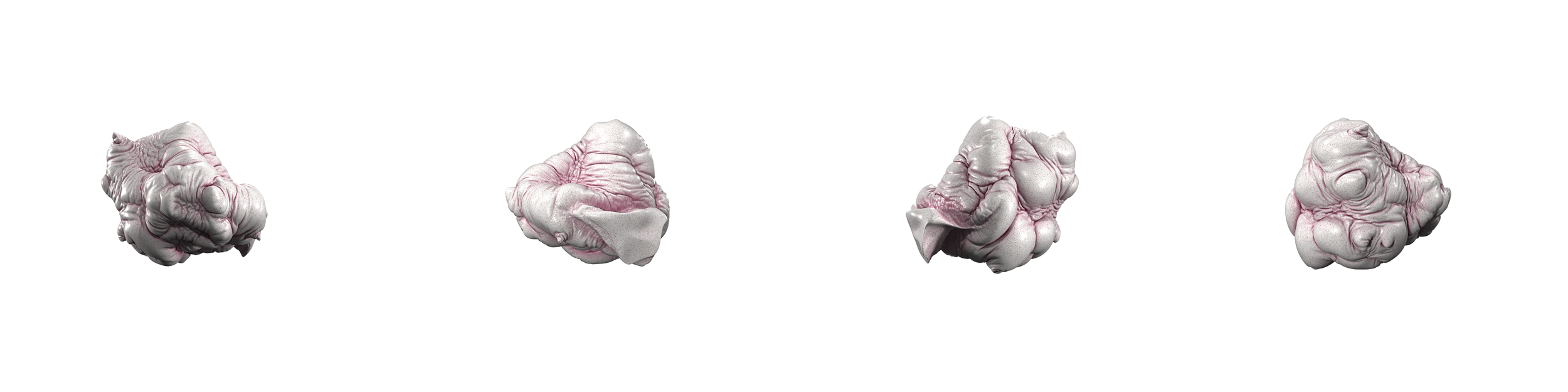
“What do you see? I spy with my little eye… the galaxy’s biggest slug — Jabba the Hutt!”
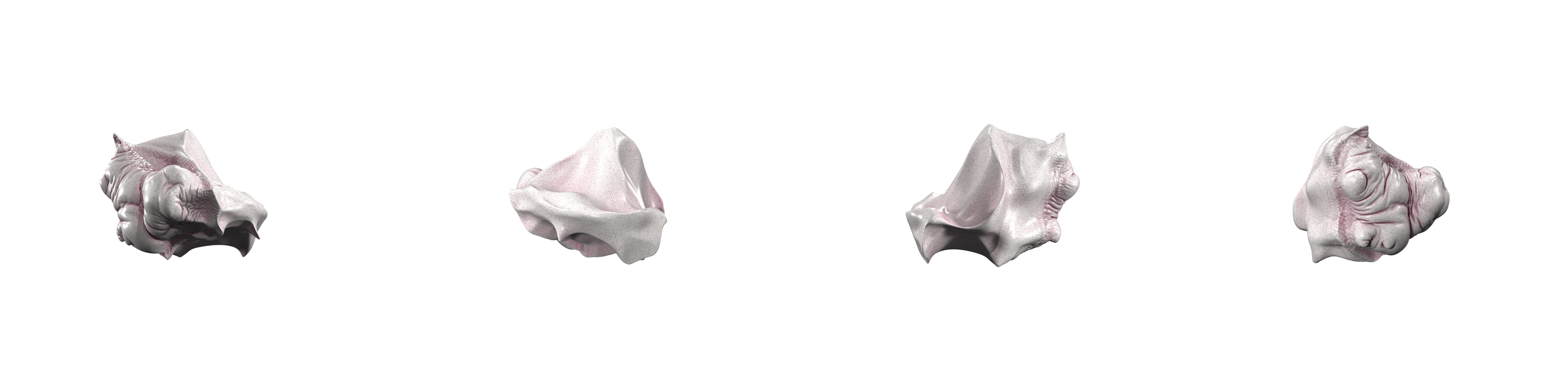
three of six Foreign Blob
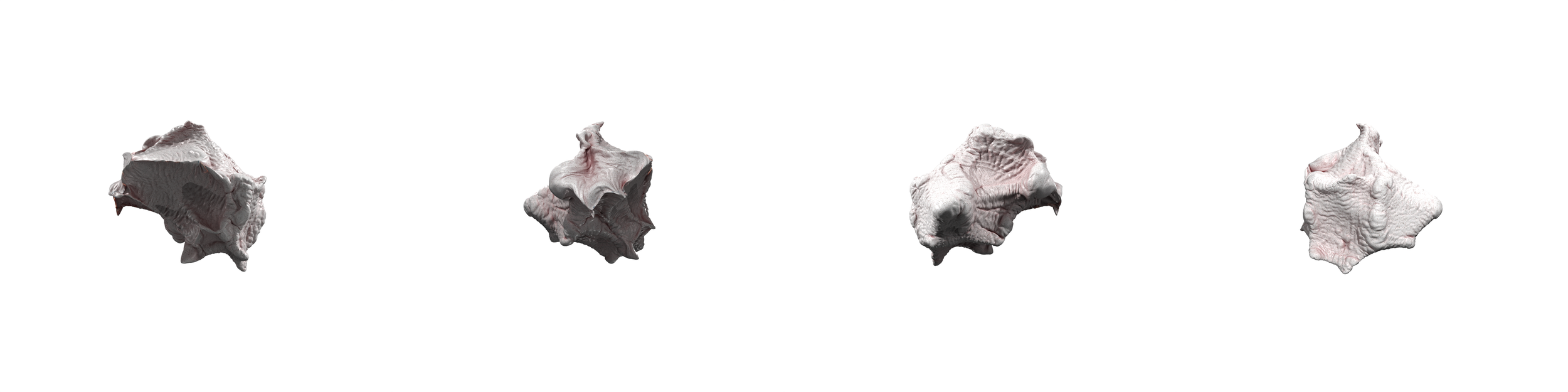
What animal do you see? I spy with my little eye… a rhinoceros!” 🦏
What animal do you see? I spy with my little eye… a rhinoceros!” 🦏
four of six Foreign Blob
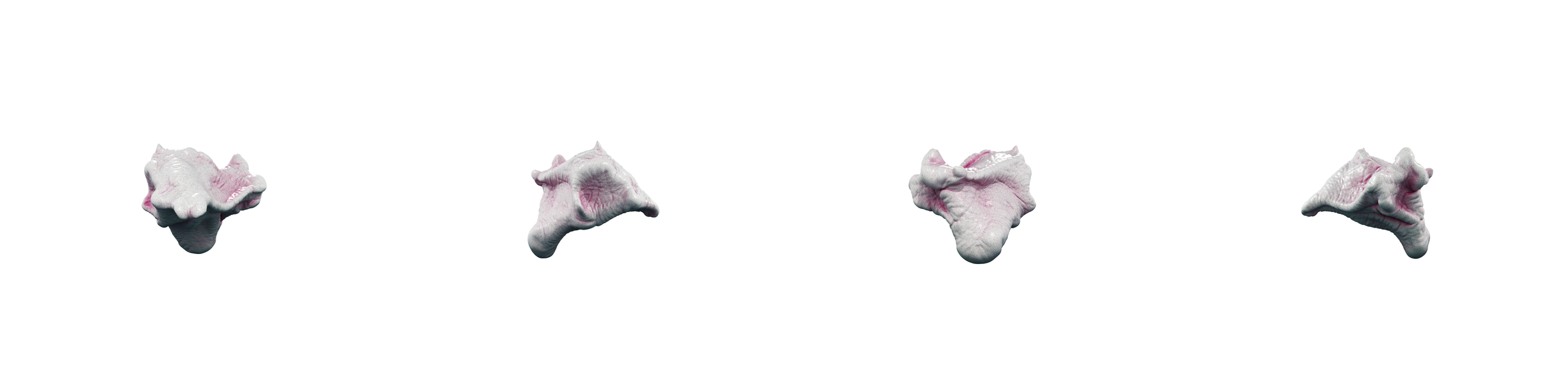
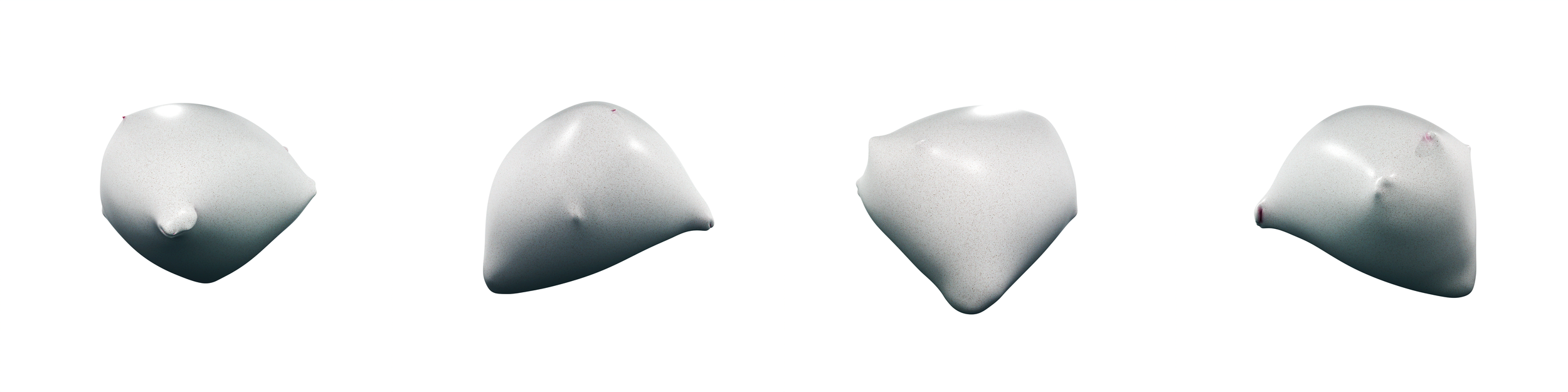
“What animal do you see? I spy with my little eye… a blowfish!” 🐡
five of six Foreign Blob
“I spy with my little eye… something wobbly, squishy, and totally floating — a jellyfish!”
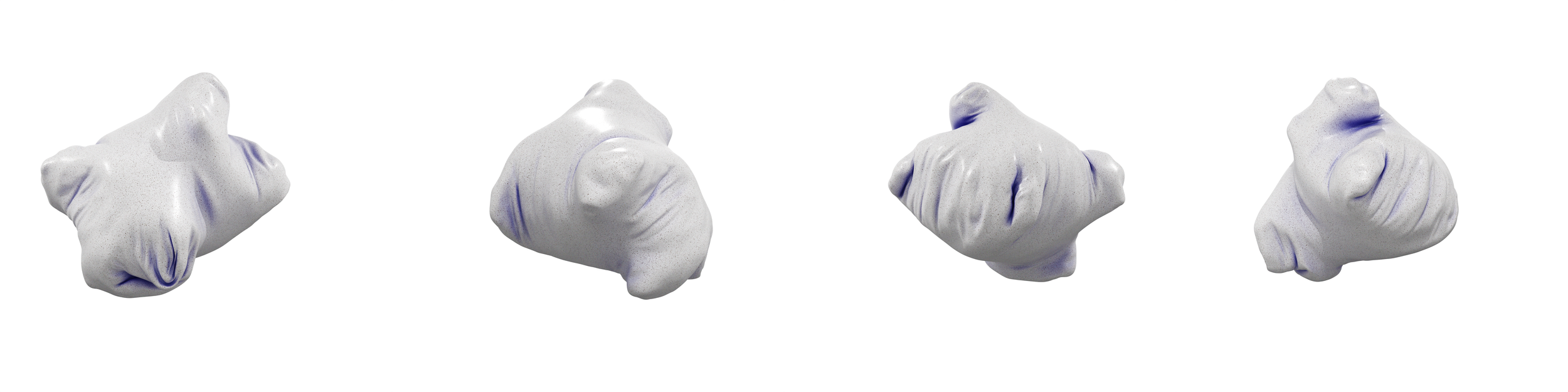
six of six Foreign Blob
“I spy with my little eye… something big, stompy, and roar-some — a dinosaur!”